
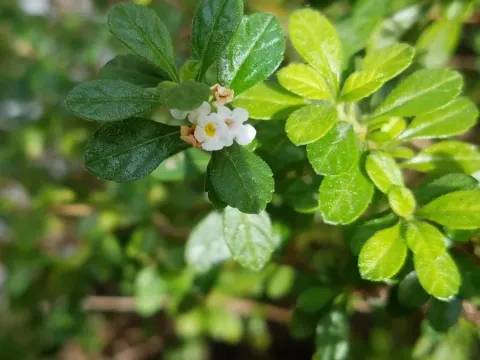
Lippia micromera
Lippia micromera
Lippia micromera is a perennial shrub belonging to the Verbenaceae family. Native to the Caribbean and Central America, this plant is widely recognized for its intense, oregano-like aroma, earning it the popular name of "false oregano" or "thyme-leaved lippia" in various regions.
What the section contains
Lippia micromera
The crop thrives in tropical conditions, requiring full sun exposure and well-draining soil to prevent root rot. It performs best in light, sandy loams that allow for proper aeration, as the plant is highly susceptible to waterlogging and poor drainage in any agricultural setting.
Climatic requirements are strict: Lippia micromera requires consistently warm temperatures and cannot tolerate frost. In non-tropical regions, it is often treated as an annual or cultivated in greenhouse environments where temperature control can be maintained throughout the growing season.
Agricultural management includes precise irrigation scheduling to ensure the soil remains moist but not saturated. Regular pruning is recommended to stimulate lateral growth, which increases the density of the foliage and maximizes the harvestable yield of essential oil-rich leaves.
The plant has significant industrial potential, primarily for its essential oils containing high levels of carvacrol and thymol. These compounds are highly valued in the food industry as natural flavorings and in the pharmaceutical sector for their antibacterial and antioxidant properties.
Fungal pathogens represent the primary threat to Lippia micromera plantations, particularly in environments with high humidity and poor air circulation. Root rots and foliage-spotting diseases can quickly decimate a crop if hygiene practices are not strictly followed.
In terms of insect pests, spider mites and whiteflies are the most common adversaries, especially in greenhouse or protected culture settings. These pests cause significant damage to the leaf structure, which directly negatively affects the quality and quantity of the essential oil output.
Integrated pest management (IPM) strategies are highly recommended for this crop. These include the use of predatory mites for biological control of spider mites and the deployment of sticky traps to monitor and reduce populations of flying insects like whiteflies.
Sanitation is critical; all infected plant material should be removed and destroyed promptly to prevent the spread of localized outbreaks. Ensuring adequate spacing between plants significantly improves airflow and reduces the microclimatic humidity conducive to disease development.
Growers should focus on building robust plant health through balanced nutrient management, as stressed or malnourished plants are significantly more susceptible to both pest infestations and pathogenic attacks throughout the growing cycle.