
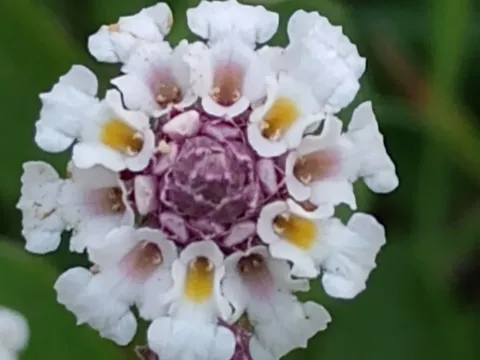
Lippia
Phyla Lour.
Lippia (Phyla) is a genus of perennial herbaceous plants belonging to the Verbenaceae family, known for its creeping habit and potential for soil stabilization.
What the section contains


Lippia
Native to tropical and subtropical regions of the Americas, the plant requires specific climatic conditions, primarily warmth and high intensity of sunlight for optimal biomass production.
Soil requirements involve well-drained but moisture-retentive substrates that are rich in organic matter, allowing for rapid root expansion across the cultivated area.
Agronomic practices focus on maintaining consistent soil moisture levels while ensuring adequate drainage to prevent physiological stress caused by waterlogging during the rainy season.
This crop is highly valued for its versatility, serving both as an ornamental groundcover and as an ingredient in herbal medicine due to specific chemical compounds found in its tissues.
Root rot and various fungal leaf spot diseases are the primary threats to Lippia, especially when the crop is cultivated in environments with poor air circulation or excessive humidity.
Insect pests such as spider mites and aphids are known to feed on the tender sap of the plant, often leading to chlorosis and stunted growth if not managed in time.
Integrated pest management strategies involve the selection of resistant cultivars and the implementation of cultural practices that prioritize plant health and natural vigor.
Field sanitation is critical; removing debris and preventing the build-up of weeds around the crops helps to reduce the habitat for disease vectors and harmful insects.
Regular monitoring of the canopy density is essential, as overly dense growth can inadvertently provide a breeding ground for pests, necessitating strategic pruning or spacing.