
Lippia turbinata
Lippia turbinata
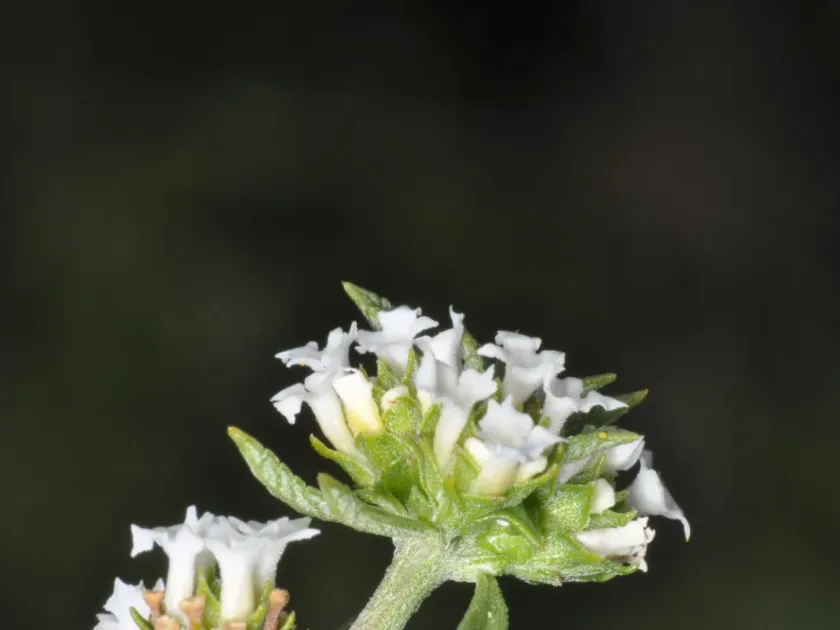
Description
Sowing dates
Lippia turbinata is a heat-loving perennial plant; therefore, in temperate climates, sowing or transplanting into open soil should only occur after the threat of spring frost has completely passed.
Pre-germinating seeds in controlled greenhouse environments is highly recommended, as young seedlings are sensitive to sudden temperature fluctuations in the early stages of development.
The ideal planting window begins in late spring, when soil temperatures consistently stay above 15 degrees Celsius to facilitate robust root establishment.
For commercial production, maintaining specific plant spacing is critical to ensure proper air circulation, which prevents fungal stagnation between rows.
High-quality seeds should be sourced from reputable suppliers to ensure consistent germination rates and uniform growth across the entire plantation.
Growing requirements
Belonging to the Verbenaceae family, this species is native to South American regions, particularly Argentina, where it thrives in warm, sunny environments.
The plant requires full sun exposure to maximize the synthesis of essential oils, as shading typically results in a significant reduction of aromatic quality.
Regarding soil preferences, it thrives in well-draining, lightweight soils that prevent waterlogging, which is essential to avoid root rot issues.
While the plant shows some drought tolerance once established, regular irrigation during the growing season is necessary to maximize biomass yield.
Maintaining a neutral to slightly alkaline soil pH is optimal for nutrient uptake and overall plant vigor throughout the long growing cycle.
Yield
The primary agricultural use of Lippia turbinata involves harvesting its aerial parts for the production of herbal teas, essential oils, and therapeutic extracts.
The plant is highly valued for its natural antiseptic and antispasmodic properties, making it a popular ingredient in both traditional medicine and modern herbal supplements.
Overall yield is highly dependent on the precision of agricultural management, including timely nutrient application and efficient harvesting practices.
In optimal conditions, multiple harvests per season are possible, significantly increasing the profitability of a commercial cultivation setup.
Market demand for high-quality, sustainably grown Lippia continues to grow, encouraging farmers to adopt standardized cultivation protocols for this crop.
Main diseases and pests
Fungal pathogens pose the most significant threat to Lippia turbinata, especially in conditions where high humidity is combined with poor airflow.
Common pests such as aphids and spider mites can infest the foliage, leading to stunted growth and reduced quality of the final herbal product.
Proactive crop management, such as maintaining adequate space between plants and practicing proper crop rotation, is essential to minimize disease outbreaks.
If root rot symptoms appear, immediate drainage improvement and isolation of the affected plants are necessary to prevent the spread to healthy sections.
Using integrated pest management strategies, focusing on biological controls rather than harsh chemicals, is preferred to preserve the organic value of the harvest.
Harvesting
Harvesting is typically performed during the peak flowering stage, as this is when the concentration of essential oils and active compounds is at its highest.
The stems should be cut at a specific height from the soil to ensure that the plant can regenerate efficiently for subsequent harvest cycles.
Immediately after cutting, the plant material must be moved to a shaded, well-ventilated area to prevent degradation and loss of volatile aromatic compounds.
Drying should be conducted at controlled temperatures to maintain the vibrant color and medicinal potency required by industrial standards.
Final processing involves sorting, milling, and vacuum packing to ensure the longevity of the herb and its suitability for international distribution.