
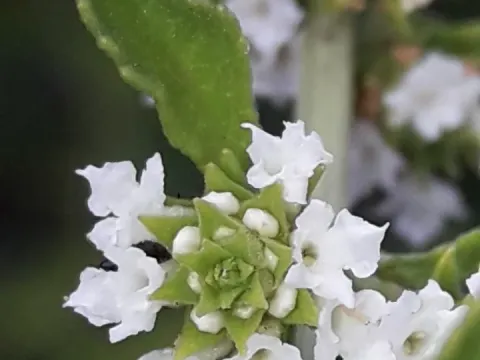
Lippia
Lippia L.
Propagation of Lippia (especially Lippia dulcis) is most often carried out vegetatively by cuttings. The optimal time for starting these works is the spring period, after the threat of late frosts has passed.
What the section contains


Lippia
Seeds of the culture have extremely low germination rates, so they are rarely used in industrial scales. The optimal temperature for seed germination should be maintained at 22–25 degrees Celsius with stable substrate moisture.
Planting seedlings in open ground is carried out when the soil warms up to 15 degrees. In regions with a temperate climate, the plant is often grown as an annual, moving pots with the crop indoors during winter.
Planting patterns are chosen based on the type of use: for groundcover purposes, the distance between plants is 30–40 cm, which allows for the rapid formation of a dense green carpet.
When cultivating in protected ground or greenhouses, planting can be carried out year-round, provided that sufficient lighting levels and additional heating are supplied.
Lippia belongs to the Verbenaceae family and is a heat-loving plant. The crop is extremely sensitive to temperature drops and dies at the slightest frost, thus requiring protection in regions with cold climates.
For successful growth, the plant requires well-drained, fertile soils with a neutral or slightly acidic reaction. Water stagnation is detrimental to the root system and can lead to the development of fungal infections.
The culture prefers sunny areas protected from strong winds. Intense lighting promotes the accumulation of essential oils and sweet glycosides, for which the plant is cultivated.
Moisture requirements are high: during dry periods, Lippia needs regular watering, however, waterlogging of the soil must be strictly excluded to avoid shoot rot.
As fertilizer, it is recommended to use organic materials or complex mineral mixtures with a predominance of nitrogen during the active growth phase, which stimulates vegetative mass accumulation.
The yield of Lippia green mass directly depends on the quality of care and light intensity. Under optimal conditions, the plant is capable of providing several cuts per season, significantly increasing the overall productivity of the area.
In commercial cultivation, the output of dry raw material used for the food industry or pharmaceuticals is considered. The percentage of active substances, particularly hernandulcin, depends on the plant's maturity at the time of harvest.
Raw material collection begins when shoots reach maximum length but before mass flowering to preserve the high concentration of aromatic substances in the leaves.
Correct pruning after each cut stimulates branching, which allows increasing the volume of the next harvest by 20–30 percent compared to uncontrolled growth.
In protected ground using hydroponic systems, yields can be higher than in soil, thanks to precise control over nutrition and irrigation regimes.
The main enemies of the culture are sucking insect pests such as spider mites and whiteflies. They often attack the plant in greenhouse conditions under low air humidity.
Root rots are the most dangerous diseases. They develop due to improper agrotechnics, specifically excessive watering and poor soil drainage.
Powdery mildew can occur during periods of sharp temperature fluctuations between day and night. For prevention, it is necessary to maintain distance between plants to improve air circulation.
Aphids can also damage young shoot tips, slowing down growth. For control, it is recommended to use biological protection products or soapy solutions to avoid contaminating the raw material with chemicals.
- Prevention of soil waterlogging.
- Timely removal of weeds.
- Control of humidity levels in greenhouses.
- Regular inspection of the leaf undersides.
Harvesting of Lippia is carried out by cutting the aerial part of the plant. Freshly harvested raw material must be sent immediately for drying to avoid oxidation of essential oils and loss of sweet taste.
Drying is carried out in shaded, well-ventilated places at temperatures no higher than 40 degrees. Using excessively high temperatures destroys the crop's valuable components.
After drying, the leaves are separated from the stems, which have less value. Leaves should be stored in airtight containers in a dark place to prevent loss of aroma.
The optimal harvest time in field conditions is morning hours, after the dew has evaporated, when the concentration of essential compounds in the leaves reaches its peak.
When using Lippia as a decorative groundcover, harvesting may not be done at all, as the plant serves as a living green carpet resistant to moderate foot traffic.