
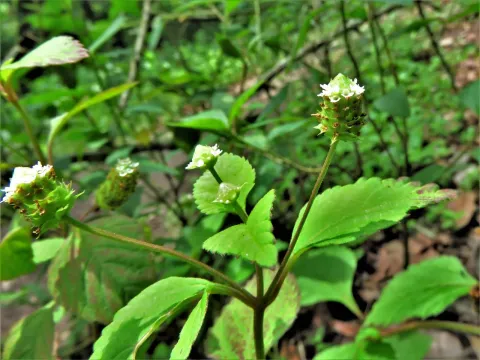
Lippia dulcis
Lippia dulcis
Propagation of Lippia dulcis is primarily achieved through stem cuttings rather than seeds, as the latter have poor germination rates and are difficult to manage. Spring is the ideal time to take cuttings when the mother plant initiates vigorous vegetative growth.
What the section contains
Lippia dulcis
Transplanting rooted cuttings into open soil should only occur after the danger of frost has passed, as the plant is highly sensitive to cold temperatures. In temperate climates, it is often grown as a potted plant or in greenhouses to ensure consistent thermal conditions.
The substrate for propagation should be lightweight, porous, and well-draining, with a neutral pH level. Maintaining high humidity around the cuttings during the first two weeks is essential for successful root development.
Planting density is generally set at 30 cm intervals, which allows for rapid ground coverage. This spacing helps to suppress weeds and creates a favorable microclimate within the planting area, promoting more uniform growth.
Initial care post-transplant is vital; keeping the root zone consistently moist but not waterlogged is the key to establishment. Overwatering in the first few days often leads to rot rather than healthy root proliferation.
Lippia dulcis is a tropical plant belonging to the Verbenaceae family, native to Central and South America. It thrives under bright, filtered light and requires protection from intense midday sun, which can cause leaf scorching.
Soil requirements include high organic matter content, excellent drainage, and a structure that allows for good aeration. Heavy, compacted soils lead to root hypoxia and a significant reduction in the synthesis of the sweet compound, hernandulcin.
The optimal temperature range for this crop is between 22 and 28 degrees Celsius. Growth slows significantly below 18 degrees, and the plant will perish if exposed to freezing temperatures, making it a tender perennial or annual in most regions.
Moisture requirements are relatively high during the growing season. While the plant can withstand short periods of dryness once established, consistent soil moisture is necessary to maximize the production of aromatic and sweet compounds.
Regular fertilization with balanced NPK nutrients is beneficial. During the active growth phase, nitrogen-rich formulas are preferred to promote foliage production, while phosphorus and potassium help in the development of healthy plant tissues.
Yield potential of Lippia dulcis depends heavily on the intensity of the cultivation system. On average, a well-managed crop can produce approximately 2 to 3 kg of fresh foliage per square meter during a single growing season.
The economic value is primarily determined by the concentration of hernandulcin in the leaves. This compound is significantly sweeter than table sugar, making the harvest highly sought after for niche food and pharmaceutical applications.
Successive harvesting is possible, with the plant capable of producing 2 to 3 crops per season if the growing conditions remain stable. Each cutting promotes branching, which eventually increases the total yield of leaf mass.
Dry matter content is typically around 15–20% of the fresh weight. Proper post-harvest handling is critical, as the loss of leaves or improper drying temperatures can lead to a decrease in the quality and concentration of the plant’s active constituents.
For commercial growers, maximizing leaf area index through proper spacing and moisture management is the most effective way to increase overall yield and market value of the sweet herb.
Although Lippia dulcis contains natural essential oils that provide some resistance to pests, it can be susceptible to spider mites, especially in dry greenhouse environments. Early detection and increasing local humidity can effectively manage this risk.
Powdery mildew is the most common fungal threat, typically triggered by poor air circulation and high humidity around the canopy. Preventive measures include proper spacing and regular monitoring for the characteristic white fungal growth on leaves.
Root rot is a major threat linked to poor drainage or overwatering. Once root rot symptoms appear, such as wilting or foliage chlorosis, it is often difficult to save the affected plants, emphasizing the need for preventative soil management.
Aphids can also colonize young stems, feeding on plant juices and weakening the plant. Integrated pest management, including the use of soaps or biological controls, is recommended to preserve the quality of the harvested leaves.
- Ensure consistent soil moisture drainage.
- Maintain adequate spacing for air circulation.
- Regularly inspect the underside of leaves for pests.
- Remove any infected plant material immediately to prevent spread.
Harvesting is performed by manually trimming the aerial parts of the plant, leaving about 5–10 cm of stem above the soil surface. This height is sufficient to allow for rapid regrowth from the plant's base.
The best time to harvest is during the early morning hours once the dew has evaporated but before the heat of the day reaches its peak. This ensures that the concentration of aromatic and sweet compounds is preserved.
After cutting, the biomass must be moved to a clean, shaded, and well-ventilated area for drying. Exposure to direct sunlight must be avoided to prevent the degradation of heat-sensitive compounds that define the quality of the product.
Once dried, the foliage should be packed in airtight containers and stored in a cool, dark place. Proper storage is essential for maintaining the sweetness and flavor profile of the herb over the shelf life.
The cultivation of Lippia dulcis offers an excellent opportunity for diversified agriculture, providing a high-value product that serves as an alternative to synthetic sweeteners in the growing health-food sector.