
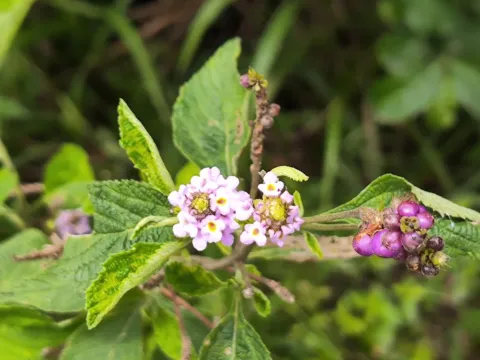
Lantana trifolia
Lantana trifolia
Lantana trifolia is a perennial evergreen shrub belonging to the Verbenaceae family. The plant is native to the tropical regions of Central and South America and has been introduced to various warm climates globally.
What the section contains
Lantana trifolia
A distinctive botanical feature of the species is its whorled leaves, typically arranged in groups of three at each node, which gives the plant its scientific specific epithet. The species produces dense, cylindrical inflorescences that change color as they mature.
For successful growth, the plant requires bright, direct sunlight throughout the day. It thrives in well-drained, fertile soils with a pH ranging from neutral to slightly acidic, ensuring optimal nutrient absorption.
The plant is highly sensitive to cold and does not tolerate freezing temperatures. In temperate climates, it is typically grown as an annual or as a container plant that must be moved indoors during the winter months.
Standard agronomic practices include regular, moderate irrigation to prevent waterlogging, which can lead to root issues. Additionally, consistent application of balanced mineral fertilizers during the active growing season is essential to maintain vigorous flowering.
The primary pests affecting Lantana trifolia include whiteflies, spider mites, and scale insects, which are particularly problematic when the plant is grown in greenhouse conditions or restricted indoor spaces.
Under conditions of excessive humidity and poor air circulation, the plant is susceptible to fungal infections such as powdery mildew or various forms of root and crown rot.
Effective pest management involves the use of systemic insecticides combined with frequent monitoring of the leaf undersides. Fungal prevention relies on proper watering schedules and ensuring adequate spacing between plants to allow airflow.
Deadheading, or removing faded flower heads, is a critical task. It prevents the development of pathogens on decaying organic matter and redirects the plant's energy toward producing new, healthy growth and flower buds.
When incorporating this species into landscaping, one must consider its invasive potential in tropical climates, necessitating careful management of seed dispersal and regular pruning to maintain the desired size and shape.