
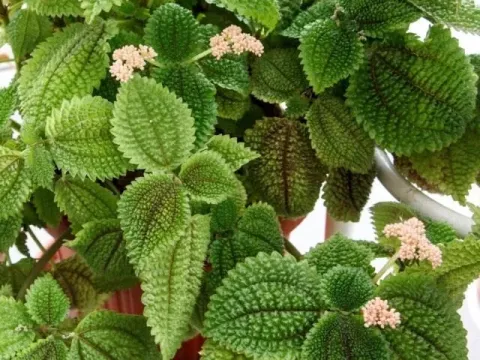
Pilea
Pilea
Pilea is a diverse genus of herbaceous plants belonging to the Urticaceae family. These plants are native to tropical and subtropical regions worldwide, thriving in humid, shaded environments under dense forest canopies.
What the section contains
 Creeping Pilea
Pilea nummulariifolia
Creeping Pilea
Pilea nummulariifolia
 Friendship plant
Pilea involucrata
Friendship plant
Pilea involucrata
 Mongolian Pilea
Pilea mongolica
Mongolian Pilea
Pilea mongolica
 Pilea crenulata
Pilea crenulata
Pilea crenulata
 Pilea depressa
Pilea depressa
Pilea depressa
 Pilea fasciata
Pilea fasciata
Pilea fasciata
 Pilea glaucophylla
Pilea glaucophylla
Pilea glaucophylla
 Pilea hitchcockii
Pilea hyalina
Pilea hyalina
Pilea hitchcockii
Pilea hitchcockii
Pilea hyalina
Pilea hyalina
 Pilea inaequalis
Pilea inaequalis
Pilea inaequalis
 Pilea libanensis
Pilea libanensis
Pilea libanensis
 Pilea mollis
Pilea mollis
Pilea mollis
 Pilea multiflora
Pilea multiflora
Pilea multiflora
 Pilea parietaria
Pilea parietaria
Pilea parietaria
 Pilea peploides
Pilea peploides
Pilea peploides
 Pilea rivularis
Pilea rivularis
Pilea rivularis
 Pilea semisessilis
Pilea semisessilis
Pilea semisessilis
Pilea
Successful cultivation requires maintaining temperatures between 18 and 24 degrees Celsius. Pilea species are highly sensitive to cold drafts and rapid temperature fluctuations, which can trigger leaf drop and stunt overall plant development.
The substrate must be well-draining, porous, and nutrient-rich. A mixture containing peat, perlite, and organic compost is generally recommended to balance moisture retention with the necessary aeration for root health.
Light intensity is a critical factor for maintaining compact growth forms. Pilea prefers bright, indirect light; direct sunlight typically causes scorched leaves and bleaching, whereas insufficient light causes leggy, unattractive stems.
Optimal humidity levels for Pilea range between 60% and 75%. To achieve this in indoor or greenhouse settings, supplemental moisture through misting or automated ultrasonic humidifiers is often required for healthy growth.
The most significant pathological threats are fungal rots, such as Pythium and Phytophthora, caused primarily by overwatering and waterlogged substrate. Proper drainage management is the primary defense against these pathogens.
Common insect pests affecting Pilea include spider mites, mealybugs, and scale insects. These pests thrive in dry conditions and can cause severe damage if populations are not controlled early through integrated pest management.
Bacterial leaf spot is another concern, often characterized by water-soaked lesions on the leaves. This usually occurs when there is excessive crowding of plants or insufficient airflow within the cultivation area.
Scouting for pests should be performed weekly, focusing on the undersides of leaves where insects tend to cluster. Early detection allows for mechanical removal or targeted application of insecticidal soaps.
General hygiene, such as promptly removing senescent foliage and ensuring adequate space between plants, is essential to minimize the spread of diseases and maintain a healthy crop throughout the entire growing season.