
Pilea glaucophylla
Pilea glaucophylla
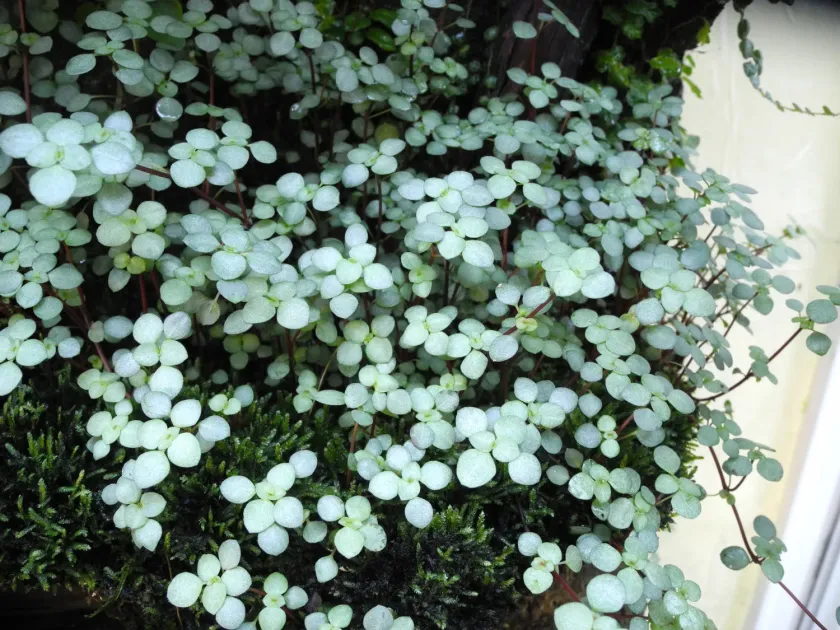
Description
Growing requirements
Pilea glaucophylla is a charming trailing plant belonging to the Urticaceae family. It is widely cultivated for its delicate, silver-grey foliage, which makes it an excellent choice for hanging baskets or terrariums that mimic its natural humid, tropical understory habitat.
The plant thrives in environments with consistent temperatures between 18°C and 24°C. It is sensitive to sudden temperature shifts and cold drafts, which can cause significant stress, resulting in leaf drop and reduced plant vigor.
Regarding soil, Pilea glaucophylla requires a light, well-draining potting medium. A mixture of peat-based soil with added perlite or pumice is recommended to ensure adequate aeration around the roots while maintaining necessary moisture levels.
Light requirements are focused on bright, indirect exposure. While the plant appreciates good light intensity to maintain its compact growth habit and coloration, direct sunlight should be avoided as it can rapidly scorch the tender leaves.
Watering should be approached with care: the substrate should remain slightly moist but never waterlogged. High humidity is a critical factor; placing the plant on a pebble tray with water or using a humidifier significantly improves its appearance and growth rate.
Main diseases and pests
Common pests affecting this species include spider mites and mealybugs, which thrive in dry indoor air. Frequent monitoring of the foliage and increasing ambient humidity are effective ways to prevent and manage potential infestations.
Root rot remains the most serious threat, typically caused by overwatering or soil that is too compact. To mitigate this risk, ensure that containers have sufficient drainage holes and use fresh, porous soil mixes during every repotting cycle.