
Pilea depressa
Pilea depressa
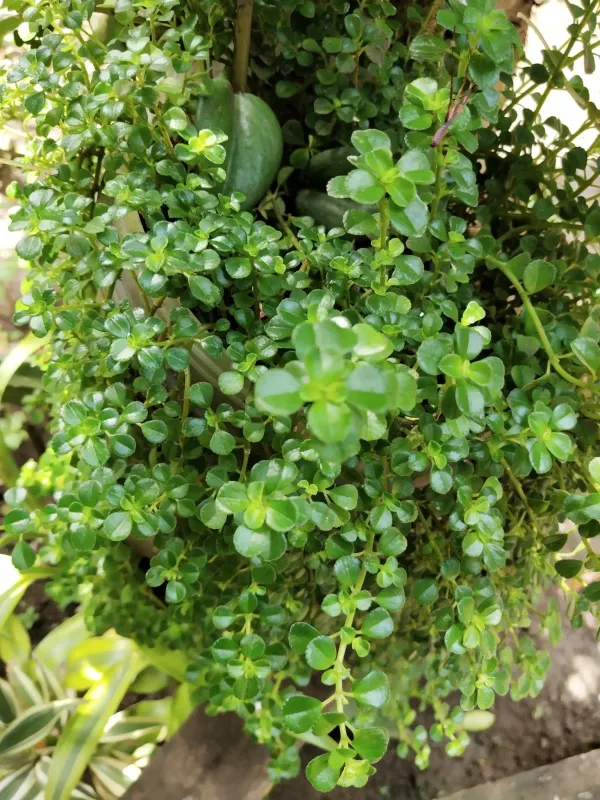
Description
Growing requirements
Pilea depressa is a perennial herbaceous plant belonging to the Urticaceae family. Originating from the tropical regions of South America and the Caribbean, this plant thrives in humid environments, typically found in shaded forest floors where it spreads as a dense, low-growing ground cover.
The plant is characterized by its small, rounded, light green leaves and thin, trailing stems that can grow quite long. Its aesthetic versatility makes it a popular choice for hobbyists interested in terrariums, vivariums, and hanging basket displays where its lush, creeping habit can be showcased.
To ensure healthy development, Pilea depressa requires bright, indirect sunlight. Direct exposure to intense sun will cause the delicate foliage to bleach or develop necrotic spots, while insufficient light may result in leggy, weak stems that lose their characteristic compactness.
Regarding soil requirements, the plant prefers a well-draining, lightweight potting mix that retains some moisture without becoming waterlogged. A blend consisting of peat moss, perlite, and a small amount of vermiculite is ideal for maintaining the necessary balance of aeration and hydration.
Consistent watering is essential, allowing the top inch of the soil to dry out between applications to prevent root suffocation. As a tropical native, the plant benefits significantly from high ambient humidity levels, which can be achieved through misting, pebble trays, or the use of a humidifier.
Main diseases and pests
Common pests affecting Pilea depressa include spider mites and mealybugs, which thrive in dry indoor environments. Early detection is key; checking the underside of leaves for webs or white cotton-like masses allows for quick intervention using insecticidal soaps or horticultural oils.
The primary disease risk is root rot, caused by overwatering or poor drainage systems in the container. To prevent fungal pathogens from destroying the root system, it is vital to use pots with drainage holes and strictly adhere to an appropriate irrigation schedule tailored to current environmental conditions.