
Pilea mollis
Pilea mollis
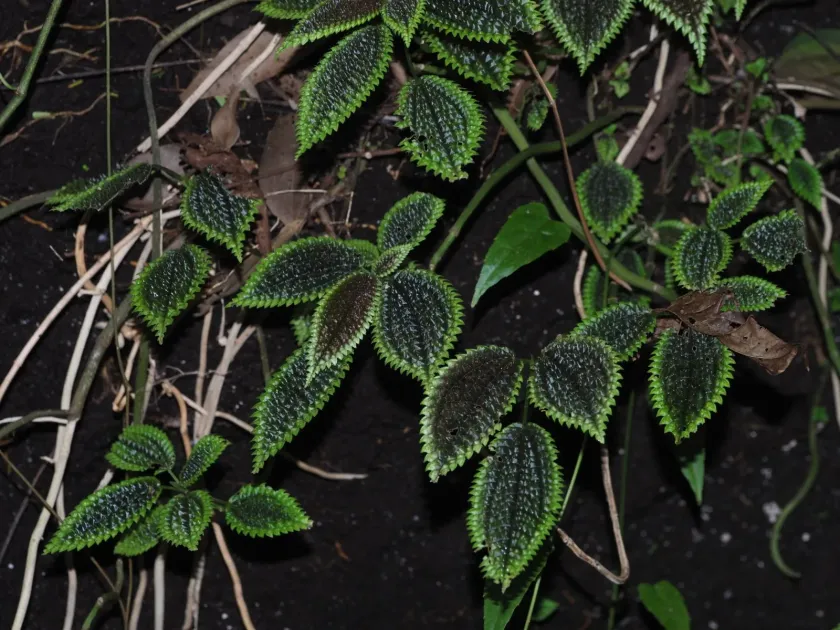
Description
Growing requirements
Pilea mollis, often referred to as the "Moon Valley" plant, belongs to the Urticaceae family. It is a herbaceous perennial native to the tropical forests of South and Central America, valued for its deeply textured, quilted foliage.
The plant thrives in warm, humid conditions. The optimal temperature for healthy growth ranges between 18°C and 25°C. Exposure to sudden cold drafts should be avoided at all costs, as they can cause significant stress to the plant.
Light requirements are specific: Pilea mollis prefers bright, indirect light. Direct sunlight can scorch the delicate leaves and fade the distinct reddish-brown veins that contrast with the bright green leaf tissue.
Soil management is critical for the survival of the plant. A well-draining, peat-based potting mix is essential. The substrate should be kept consistently moist but never waterlogged to ensure the health of the fibrous root system.
High humidity is vital for maintaining the plant's aesthetic appeal. Growers should aim for humidity levels above 60%. In dryer environments, utilizing humidifiers or water trays filled with pebbles is highly recommended.
Main diseases and pests
Root rot is the most common disease affecting Pilea mollis, usually caused by overwatering or poor drainage within the pot. Once the roots are compromised, the plant may show rapid wilting and yellowing of the foliage.
Spider mites are the primary pests that attack this species, particularly when the ambient air is too dry. These tiny pests weave webs and drain the plant's sap, leading to stunted growth and leaf drop.
Mealybugs are another common threat to this culture. They typically gather in the leaf axils, sucking the plant's resources. Manual removal or the application of horticultural soap is often sufficient for minor infestations.
Fungal leaf spots can occur if the foliage is sprayed frequently without adequate air circulation. Ensuring the environment is well-ventilated helps to mitigate these fungal risks significantly.
Integrated pest management involves regular monitoring and quarantine of new plants to prevent the introduction of common greenhouse pests. Maintaining a balanced fertilizer schedule also helps the plant resist potential infections.