
Pilea hitchcockii
Pilea hitchcockii
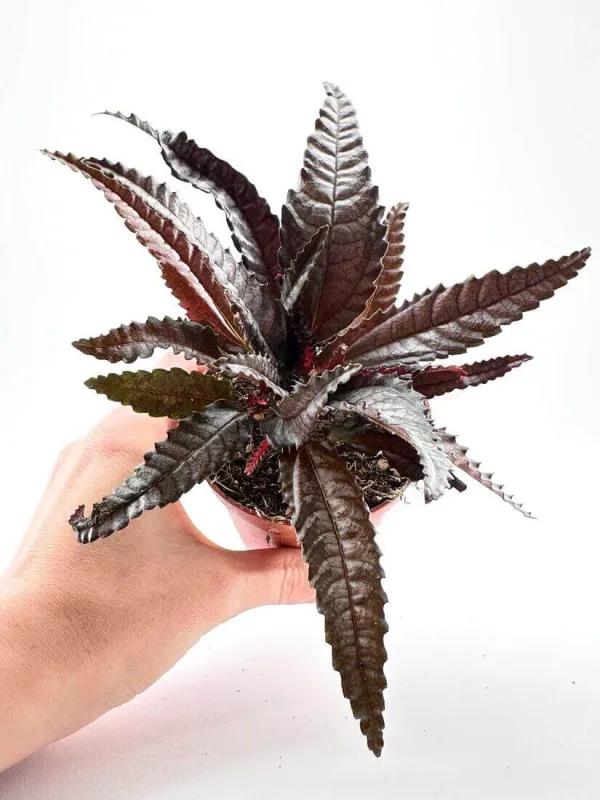
Description
Sowing dates
Pilea hitchcockii is typically propagated through stem cuttings, which is the most reliable method for maintaining the characteristics of the cultivar. The propagation process is best performed during the peak growth months to ensure rapid rooting.
Cuttings should be placed in a sterile, well-draining medium such as a peat-perlite mixture. Maintaining high humidity and ambient temperatures around 23°C is essential for successful root development within the first few weeks.
In a commercial setting, tissue culture propagation is sometimes used to produce uniform planting material. This ensures that all plants are free from viruses and exhibit consistent growth patterns, which is vital for retail distribution.
Seed propagation is possible but rarely practiced due to the unpredictable results and the slow growth rate of seedlings. Vegetative reproduction allows for a much faster turnaround time and consistent quality for the nursery industry.
Once established, the young plants require a period of hardening off before they are ready for commercial sale. This involves gradually decreasing the humidity and adjusting the light levels to prepare them for indoor environments.
Growing requirements
As a member of the Urticaceae family, this plant is naturally adapted to warm, humid tropical environments. It requires consistent conditions to prevent stress and maintain its vibrant appearance throughout the growing season.
The ideal soil substrate for Pilea hitchcockii is porous and rich in organic matter. A mix consisting of equal parts peat moss, perlite, and pine bark is often recommended to ensure optimal root aeration and water retention.
Light requirements are focused on bright, indirect exposure. Placing the plant in a position where it receives filtered light prevents leaf scorch and promotes dense foliage production, which is a key aesthetic requirement.
Watering frequency should be determined by the moisture levels of the topsoil layer. Providing water only when the surface is slightly dry prevents root rot, a common issue in indoor settings where drainage might be restricted.
Environmental stability is crucial for this species. Temperature fluctuations below 18°C or above 26°C can negatively impact growth rates. Consistent indoor temperatures ensure that the plant maintains a lush, healthy canopy.
Main diseases and pests
Root rot caused by Pythium and Phytophthora species is the most significant threat to the health of the plants. These pathogens flourish in stagnant water and compacted soil, highlighting the need for proper drainage.
Spider mites are common pests that thrive in the low-humidity environments often found in homes and offices. They can quickly damage leaves, resulting in stunted growth and a loss of visual appeal for commercial products.
Mealybugs can also infest the stems and leaf axils. Regular inspection of the plant architecture is necessary to catch infestations early, allowing for targeted treatment with horticultural oils or approved systemic insecticides.
Leaf spotting caused by bacterial infections can occur if the foliage is kept excessively wet or if air circulation is poor. Improving ventilation within the growing area is a primary defense against these types of outbreaks.
- Monitor for signs of pest activity weekly
- Ensure pots have adequate drainage holes
- Keep foliage dry during irrigation
- Isolate new arrivals to prevent pest spread