
Pilea parietaria
Pilea parietaria
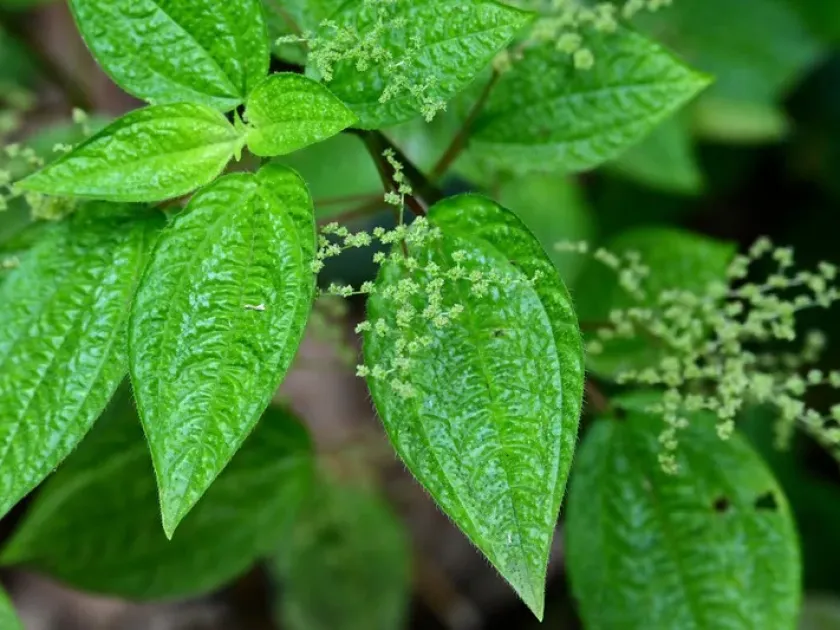
Description
Sowing dates
The sowing of Pilea parietaria is typically performed in early spring to leverage the increasing day length, which is crucial for early vegetative development. In commercial greenhouse production, March is considered the optimal month to start seeds.
For vegetative propagation, stem cuttings are highly effective. Cuttings of approximately 8-10 cm are taken and placed in a porous, moisture-retentive rooting medium, such as a mix of peat and perlite, to ensure rapid root establishment.
Seeds are extremely small and should be sown on the surface of the substrate without covering, as they require light for germination. Maintaining high humidity is essential during the initial stages, often achieved by covering trays with plastic films.
A consistent temperature between 20-24 degrees Celsius is required for successful germination and seedling growth. Sudden temperature drops can inhibit metabolic activity and delay the development of the crop.
Proper sanitation of the containers and growing medium is vital to prevent damping-off disease, which is a common threat to young, sensitive seedlings of this species.
Growing requirements
As a member of the Urticaceae family, Pilea parietaria thrives in sheltered, shaded environments. It naturally grows in conditions with high atmospheric humidity and protection from harsh environmental factors.
The plant requires a well-draining, nutrient-rich soil mix. A combination of peat-based substrate and organic components allows for optimal gas exchange in the root zone, which is essential for vigorous plant growth.
Watering must be frequent but carefully controlled. The substrate should be kept consistently moist but never waterlogged. Using room-temperature water is recommended to avoid thermal shock to the plant's delicate tissues.
High humidity levels (60-75%) are necessary for the crop to maintain its aesthetic and physiological health. In drier conditions, the plant may suffer from leaf tip necrosis and stunted development.
Nutrient management involves balanced liquid feeding during the peak growth season. Excess fertilizer should be avoided, as the plant is sensitive to high salt concentrations, which can result in leaf burn.
Main diseases and pests
Common pests affecting Pilea parietaria include spider mites, aphids, and mealybugs. These pests frequently congregate on the undersides of leaves, causing significant stress to the plant and potential virus transmission.
Fungal pathogens such as Botrytis (gray mold) are primary threats, especially in poorly ventilated environments with high humidity. Proper airflow management is the most effective cultural control measure against these diseases.
Chemical control options include insecticidal soaps or systemic treatments when infestation reaches critical levels. Integrated Pest Management (IPM) practices are encouraged to reduce environmental impact.
Regular visual inspections of the crop are essential to detect early signs of infestation or disease. Early removal of infected leaves can prevent the need for broad-spectrum chemical applications.
Sanitary protocols, including the sterilization of tools and equipment, play a significant role in maintaining the health and productivity of the crop throughout its lifecycle.