
Pilea libanensis
Pilea libanensis
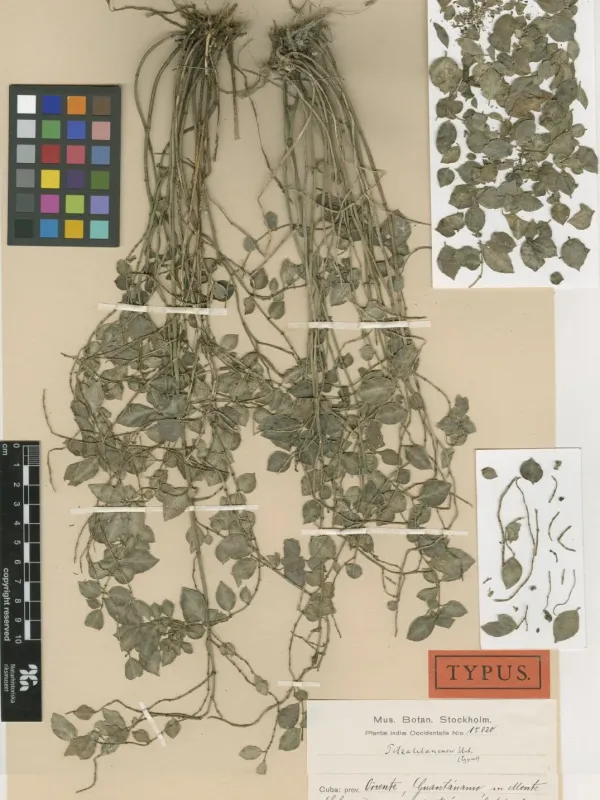
Description
Growing requirements
Pilea libanensis is a decorative species within the Urticaceae family. Originally native to tropical areas of South America, it is widely valued for its trailing growth habit and small, dense foliage.
The plant thrives in bright, indirect light conditions. Direct sunlight is harmful to the leaves and can lead to bleaching or scorching, therefore partial shade or morning sun is ideal for optimal health.
It requires a well-draining, nutrient-rich potting mix. A common mistake is overwatering, which leads to root rot; the soil should be allowed to dry slightly at the surface before the next watering session.
The ideal temperature range is between 18°C and 24°C. The plant is sensitive to cold drafts and should be kept away from air conditioning vents or open windows during the winter season.
Fertilization is essential during the active growing season. A balanced, water-soluble fertilizer applied every two weeks helps maintain the plant's deep green color and vigorous development.
Main diseases and pests
Spider mites are the most common pests affecting Pilea libanensis, especially in low-humidity environments. Regular inspection of the underside of leaves is recommended to detect them early.
Root rot is the primary physiological disease associated with poor cultivation techniques, specifically over-irrigation. Proper drainage is the most effective preventative measure against this threat.
Mealybugs can occasionally infest the plant, clustering in the leaf axils. Mechanical removal followed by insecticidal soap treatment is usually effective for controlling these infestations.
High humidity can lead to fungal issues if ventilation is insufficient. Ensuring good airflow around the plant helps prevent the development of powdery mildew and other fungal pathogens.
If the plant shows signs of wilting or yellowing leaves, the irrigation regime should be re-evaluated immediately to check for signs of waterlogged soil or compacted drainage layers.