
Creeping Pilea
Pilea nummulariifolia
Description
Growing requirements
Pilea nummulariifolia, commonly known as Creeping Pilea, belongs to the Urticaceae family. Originating from the tropical regions of South America and the Caribbean, this plant thrives in humid, shaded forest environments.
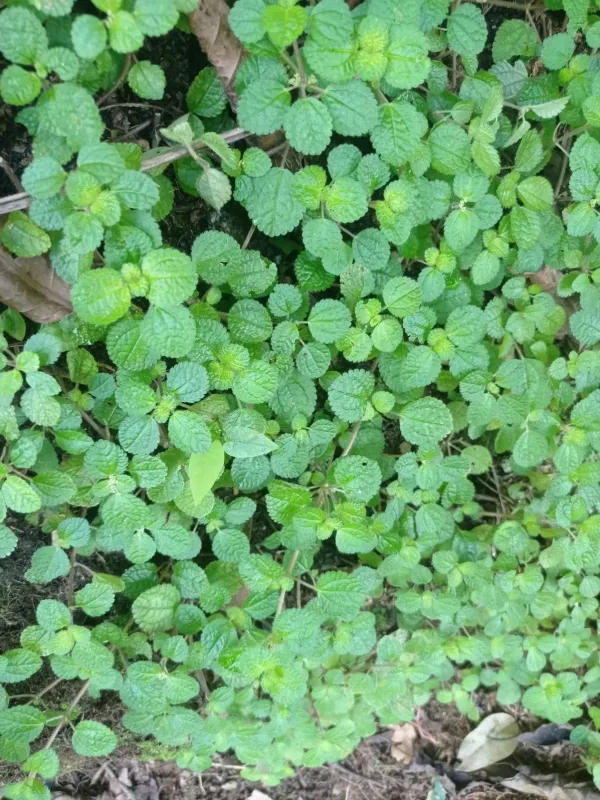
The plant is characterized by its trailing stems that readily root at the nodes. Its foliage consists of small, rounded, coin-shaped leaves that exhibit a deeply puckered or crinkled texture, typically deep green in color.
Agronomic requirements include maintaining a consistent temperature range between 18°C and 24°C. The species is highly sensitive to cold drafts and sudden temperature fluctuations, which can negatively impact vegetative growth.
Soil conditions are critical for this species; it requires a well-draining, peat-based growing medium with a slightly acidic to neutral pH. A mix of organic leaf mold, perlite, and peat moss is ideal to maintain adequate aeration while holding moisture.
Cultural management involves providing bright, indirect light, as direct sun will scorch the delicate leaves. Regular moisture management is essential, ensuring the substrate remains consistently damp but never waterlogged.
Main diseases and pests
The primary threats to Pilea nummulariifolia involve fungal pathogens such as root rot, often caused by overwatering or poor drainage systems. These conditions significantly weaken the root structure and invite secondary infections.
Pests that commonly infest this crop include spider mites, mealybugs, and scale insects. These organisms thrive in dry indoor environments and can quickly decimate the foliage if not addressed through early detection.
Preventative measures include maintaining proper air circulation around the plants and avoiding overhead irrigation, which can encourage fungal growth on the textured leaf surfaces.
If an infestation occurs, horticultural oils or systemic insecticides are recommended for control. Regular physical inspection of the undersides of the leaves is a vital part of the daily agronomic workflow.
Improper nutrient balance or water quality can lead to physiological disorders such as leaf tip burn or chlorosis, necessitating careful monitoring of fertilizer application and water softness.