
Pilea peploides
Pilea peploides
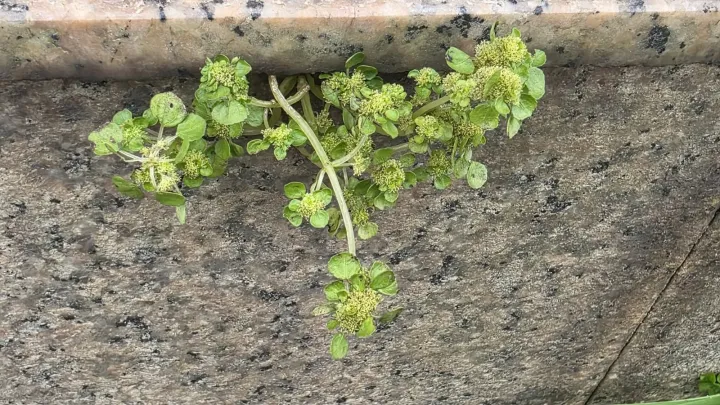
Description
Growing requirements
Pilea peploides is an annual herbaceous plant belonging to the Urticaceae family. Native to shaded, humid environments, this species is well-adapted to environments where soil moisture and humidity remain high throughout the growing season.
The optimal climate for Pilea peploides requires temperatures between 18°C and 25°C. It is extremely sensitive to direct solar radiation, which necessitates the use of shading screens in greenhouse environments to maintain leaf health.
Soil requirements focus on high organic content and excellent drainage. A loose, well-aerated medium is essential to prevent root asphyxiation, as the plant is highly susceptible to hypoxia if the root zone becomes waterlogged.
During the vegetative phase, it is crucial to maintain humidity levels above 60%. Irrigation must be precise, preferably delivered via micro-drip systems to avoid wetting the foliage, which can trigger fungal outbreaks.
Commercially, Pilea peploides is valued for its rapid growth cycle, making it an excellent candidate for controlled-environment agriculture (CEA) and high-density production of plant biomass for various botanical applications.
Main diseases and pests
Fungal pathogens such as Pythium and Rhizoctonia pose the most significant risk to this crop. These diseases are typically induced by stagnant air and water-saturated substrates, which degrade the integrity of the plant's root system.
Common insect pests include spider mites and aphids. These vectors are particularly problematic in indoor facilities where the lack of natural predators allows their populations to explode rapidly if left unmanaged.
Integrated Pest Management (IPM) is essential for Pilea production. This includes the use of sticky traps for monitoring and the introduction of biological control agents to keep aphid populations below economic injury levels.
Sanitation of the growing environment is the primary preventative measure against diseases. Regular removal of lower, senescing leaves helps to improve airflow around the base of the plant, significantly reducing the risk of gray mold.
When chemical intervention is necessary, the use of selective systemic fungicides is recommended to avoid phytotoxicity on delicate plant tissues. Always ensure that the product label explicitly permits use on ornamental or botanical species.