
Pilea multiflora
Pilea multiflora
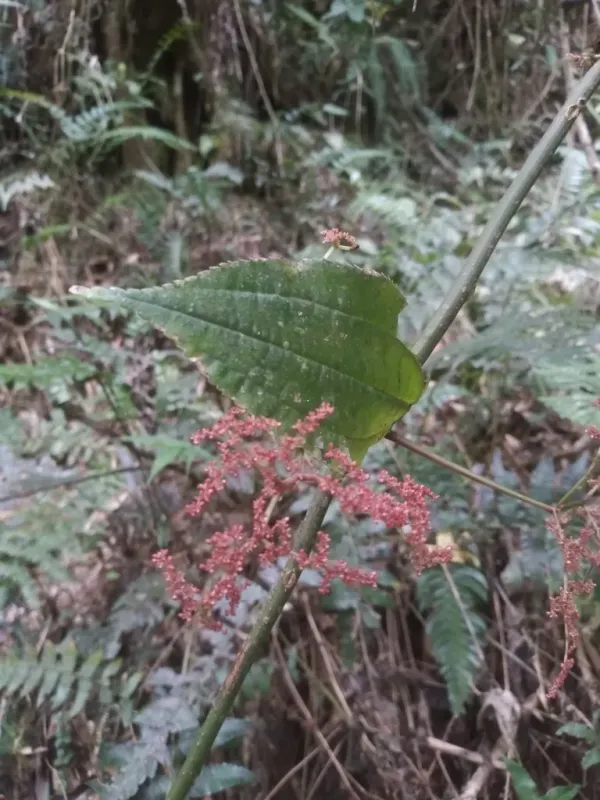
Description
Sowing dates
Pilea multiflora, belonging to the Urticaceae family, is a distinct botanical species often cultivated for its aesthetic appeal in controlled environments. Understanding its propagation is essential for successful growth.
Propagation is typically achieved through seed sowing in a lightweight, well-draining medium. The optimal time for sowing is during the spring, which aligns with natural increases in light intensity and temperature.
Seeds are minute and should be surface-sown on a moist substrate without covering them with soil. Maintaining high humidity using a protective cover or greenhouse environment is crucial for germination success.
Transplanting (pricking out) should occur once the seedlings develop several sets of true leaves. Extreme care must be taken to minimize root disturbance, as the plant's root system is delicate and prone to damage.
For commercial or greenhouse cultivation, maintaining a stable temperature range between 20 and 25 degrees Celsius is critical. Sudden thermal fluctuations can inhibit growth and reduce the quality of the foliage.
Growing requirements
Pilea multiflora thrives in environments that mimic its native tropical conditions. High humidity levels are required, and the plant performs best when kept away from direct, harsh sunlight which may cause leaf scorching.
The soil substrate should be loose, rich in organic matter, and slightly acidic or neutral in pH. Adding inorganic components like perlite or vermiculite is recommended to ensure optimal aeration and water drainage.
Watering must be consistent and precise; the substrate should remain moist but never waterlogged. Monitoring soil moisture levels regularly is a key agricultural practice to prevent root stress and ensure vigorous growth.
Lighting should be bright but filtered. If the plant is kept in an indoor greenhouse setting, adjusting light exposure via shading nets can prevent stress during high-intensity periods of the day.
Proper ventilation is vital for preventing the buildup of stagnant air. Effective air circulation reduces the risk of fungal infections and helps maintain the health of the plant's canopy over long periods.
Main diseases and pests
Common pests include spider mites and mealybugs, which are particularly attracted to the succulent-like foliage of this species. These pests can rapidly proliferate in dry, poorly ventilated conditions.
Root rot is the most prevalent threat, often resulting from improper watering practices or inadequate drainage. Once root rot takes hold, it is difficult to remediate, often necessitating the disposal of the plant.
Fungal diseases, including Botrytis or gray mold, can emerge when high humidity is combined with poor airflow. Removing infected tissues and improving the growing environment are the first steps in control.
Integrated pest management strategies are recommended, utilizing biological controls or systemic insecticides only when necessary. Regular monitoring of the underside of leaves is key to early detection.
Preventative measures, such as maintaining cleanliness in the growing area and strictly following irrigation schedules, are more effective than curative treatments for managing the health of Pilea multiflora.