
Pilea crenulata
Pilea crenulata
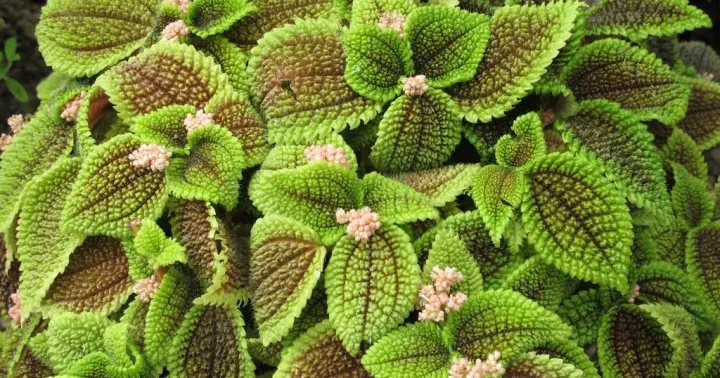
Description
Sowing dates
The propagation of Pilea crenulata is primarily achieved through vegetative methods, specifically stem cuttings. This technique ensures that the new plants retain the specific traits of the parent species.
The optimal time for propagation is during the spring season. As the plant enters its active growth phase, the cuttings root significantly faster under warm and stable conditions.
A lightweight, well-draining substrate composed of peat moss and perlite is recommended for rooting. This mixture provides the necessary aeration while maintaining consistent moisture levels.
Stem cuttings should be planted in small pots or trays and kept under indirect light. Covering the cuttings with a transparent film can create a microclimate that accelerates the rooting process.
Once a robust root system has developed, which usually takes about three weeks, the plants can be transplanted into larger containers with nutrient-rich soil for further development.
Growing requirements
Pilea crenulata belongs to the Urticaceae family and is native to humid tropical regions. It thrives in environments where temperatures remain stable, ideally between 20 and 25 degrees Celsius.
The plant requires bright, indirect sunlight. Excessive exposure to direct sun can lead to leaf scorching, while low light conditions cause the stems to become weak and leggy.
Soil requirements focus on a neutral to slightly acidic pH and high permeability. A mix of organic matter and coarse sand ensures that roots receive enough oxygen and prevents waterlogging.
Watering must be regular but measured. It is crucial to allow the top layer of the soil to dry slightly between watering cycles to prevent the onset of fungal diseases.
Maintaining high relative humidity is vital for the health of Pilea crenulata. Regular misting or the use of humidifiers helps mimic the natural tropical habitat of this species.
Main diseases and pests
The most common disease affecting Pilea crenulata is root rot, which typically stems from overwatering and poor soil drainage. This condition can rapidly destroy the plant's vascular system.
Pests such as spider mites and mealybugs are the primary threats. Spider mites thrive in dry conditions and can cause significant damage to the leaf tissue by extracting vital sap.
Mealybugs usually cluster in the leaf axils, creating a white, waxy substance that acts as a shelter. Regular inspection of these areas is necessary for early intervention.
Management of these threats involves the use of targeted acaricides and systemic insecticides. Integrated pest management strategies should be adopted to ensure long-term plant health.
Hygiene is essential; removing dead leaves and keeping the growing area clean reduces the risk of infestation and the spread of opportunistic fungal pathogens.