
Pilea semisessilis
Pilea semisessilis
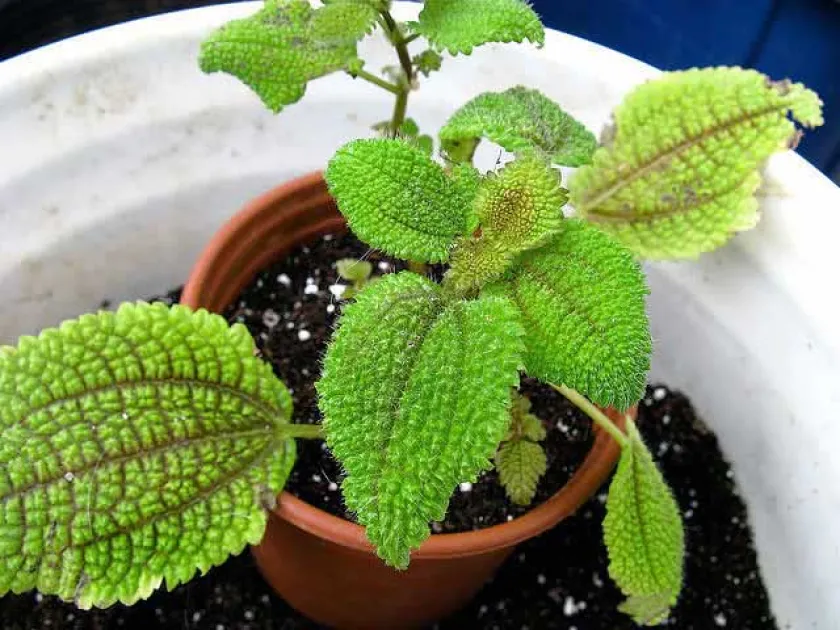
Description
Growing requirements
Pilea semisessilis is a member of the Urticaceae family, known for its distinctive foliage and growth habit. Originating from Asian tropical and subtropical regions, it thrives in environments that mimic its natural understory habitat.
Climate requirements for this culture involve maintaining a consistent temperature range, preferably between 18 and 25 degrees Celsius, while avoiding direct exposure to harsh solar radiation which can scorch the leaves.
The ideal soil profile for Pilea semisessilis is highly porous, well-draining, and rich in organic matter. A mixture of peat-based substrate and perlite is often used to maintain optimal water-to-air ratios in the root zone.
Agricultural management requires careful attention to humidity, which should be kept moderately high. During the growing season, a balanced fertilizer application supports healthy leaf development and plant vigor.
Routine care involves pruning to encourage dense growth and monitoring soil moisture levels to ensure the substrate is moist but never waterlogged to prevent physiological stress.
Main diseases and pests
Common pests associated with this species include spider mites and mealybugs, which are particularly problematic in environments with low air humidity and poor ventilation.
Pathogenic threats primarily include root rot and fungal leaf spots, which are often the direct result of inadequate drainage or overly saturated soil conditions throughout the year.
Preventative measures are essential and include frequent inspection of the plant canopy and the isolation of new specimens to prevent the potential spread of infestation.
Chemical control, if necessary, should be applied with precision, utilizing products that are safe for indoor application to protect the overall health of the specimen.
- Ensuring adequate spacing between plants
- Regular removal of senescing foliage
- Utilizing sterilized growing media during repotting