
Pilea inaequalis
Pilea inaequalis
Description
Growing requirements
Pilea inaequalis is a member of the diverse Urticaceae family. Originating from the tropical regions of Africa and Madagascar, this species thrives in humid forest understories, often found in mountain climates where moisture is consistent throughout the year.
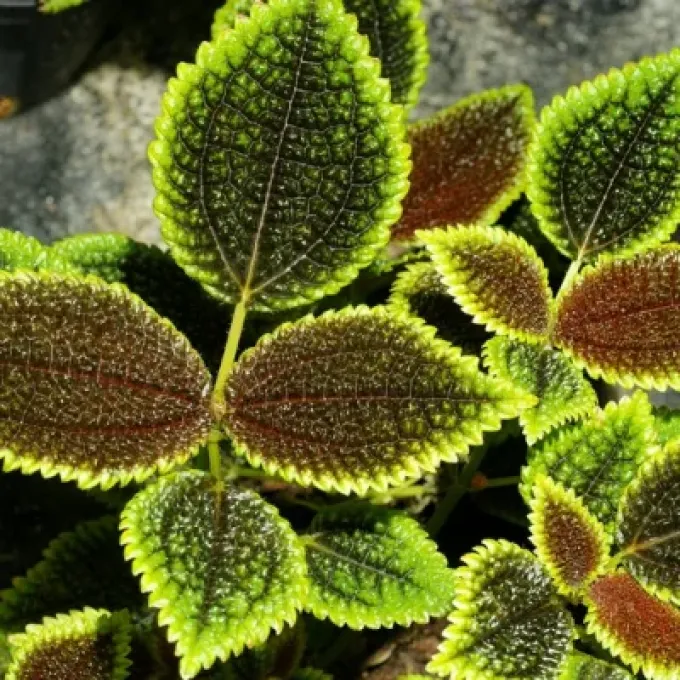
The plant is characterized by its succulent stems and distinct, asymmetrical leaves with serrated margins. This specific leaf morphology is an evolutionary adaptation that allows the plant to efficiently manage photosynthesis in low-light tropical conditions.
For optimal growth, Pilea inaequalis requires a stable environment with temperatures between 18 and 24 degrees Celsius. It is highly sensitive to rapid temperature fluctuations and prefers locations that are protected from cold drafts and direct sun exposure.
The ideal soil medium for this crop is a well-draining, nutrient-rich substrate, such as a mix of peat, perlite, and organic compost. A slightly acidic to neutral pH level is preferred to ensure proper nutrient uptake by the root system.
Economically, this plant is primarily cultivated for the ornamental indoor plant market. Its fast-growing nature and aesthetic appeal make it a popular choice for interior landscaping, terrariums, and botanical greenhouses.
Main diseases and pests
Spider mites are the most common pest associated with Pilea inaequalis, particularly in low-humidity indoor environments. They feed on plant sap, leading to stunted growth and the eventual yellowing and dropping of the foliage.
Root rot, primarily caused by Pythium or Phytophthora species, is the most significant pathological threat to the crop. This condition is triggered by waterlogged soil and poor drainage, which deprives the roots of necessary oxygen.
Fungal leaf spot diseases can emerge if the foliage is kept wet for extended periods in environments with poor air circulation. It is essential to water the soil directly rather than wetting the leaves to minimize the risk of infection.
Mealybugs can also infest the plant, usually clustering in the leaf axils. Physical removal with an alcohol-dipped swab is an effective initial management strategy for localized infestations, followed by systemic insecticide application if necessary.
Regular monitoring of the foliage and stem nodes is crucial for early detection of pest pressure. Maintaining a balanced fertilization schedule helps the plant remain resilient against minor biotic stress factors and environmental pathogens.