
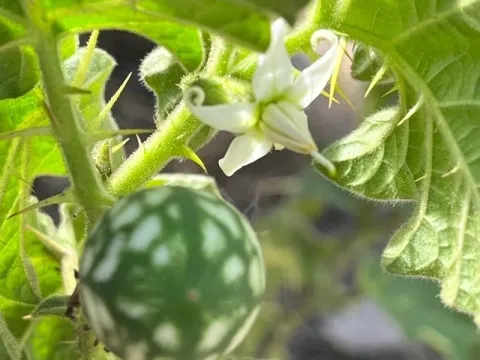
Ambrosia nightshade
Solanum ambrosiacum
Ambrosia nightshade (Solanum ambrosiacum) belongs to the Solanaceae family. As a heat-loving crop, it is typically started from seeds in a controlled greenhouse environment before being transplanted outdoors.
What the section contains
Ambrosia nightshade
Seeds are sown in trays approximately 8 to 10 weeks before the expected last frost date. This ensures the development of a strong root system, which is crucial for early establishment in the field.
When transplanting, the soil temperature must be consistently above 14 degrees Celsius. Proper hardening off of the seedlings is necessary to avoid transplant shock when moving them to the permanent plot.
Planting density depends on the local soil fertility and the specific agricultural practices employed. Spacing should allow for adequate light penetration and airflow between individual plants.
For optimal results, growers use well-drained, nutrient-rich substrates for seedlings, ensuring they receive balanced light exposure to prevent legginess and encourage sturdy stem development.
This crop thrives in well-draining, fertile soils with a slightly acidic to neutral pH. Sandy loam or silt soils are often preferred due to their excellent drainage characteristics and aeration.
Full sun exposure is vital for the plant to achieve its maximum potential. Lack of light can negatively impact fruit set, development, and the overall health of the nocturnal plant cycle.
Watering management involves consistent moisture levels. Overwatering is as dangerous as drought, as the root system is susceptible to decay if the soil remains waterlogged for extended periods.
A balanced fertilizer program is essential throughout the growing season. Nitrogen supports early vegetative growth, while phosphorus and potassium are critical during the flowering and fruiting stages.
Strategic pruning helps in maintaining plant structure and focusing energy on fruit production. Removing lower leaves can help reduce humidity around the base and prevent fungal infections.
Common threats include fungal pathogens such as early blight and late blight. These are particularly aggressive during humid and wet weather conditions, necessitating early preventative measures.
Pests like the Colorado potato beetle and various aphid species pose a significant risk. Regular monitoring of the foliage is required to implement timely biological or chemical treatments.
Crop rotation is a fundamental practice to break the disease cycle. It is recommended to avoid planting Ambrosia nightshade in the same spot where other Solanaceae species were grown recently.
Mulching the soil surface helps manage moisture and prevents soil-borne pathogens from splashing onto the leaves during rainfall, acting as a simple but effective barrier.
Integrated pest management (IPM) strategies, including the use of beneficial insects or resistant varieties, are highly recommended to minimize the reliance on synthetic pesticides.
Harvesting should be timed to coincide with the development of the fruit's characteristic size and color. Early morning harvesting is preferred to maintain fruit turgidity and shelf life.
The use of sharp tools, such as garden shears, ensures clean cuts at the stem, which protects the fruit from unnecessary wounding and subsequent rapid spoilage during transport.
Post-harvest sorting is crucial for commercial quality. Fruits should be categorized by ripeness and health, removing any damaged specimens to prevent them from affecting healthy produce.
Optimal storage conditions involve maintaining cool and dark environments with good airflow. Avoid storing fruits in direct contact with direct heat sources to preserve their nutritional quality.
For short-term storage, ventilated crates are ideal. Ensuring that fruits are not packed too tightly helps prevent pressure damage, which is a common cause of rot in nightshade varieties.