
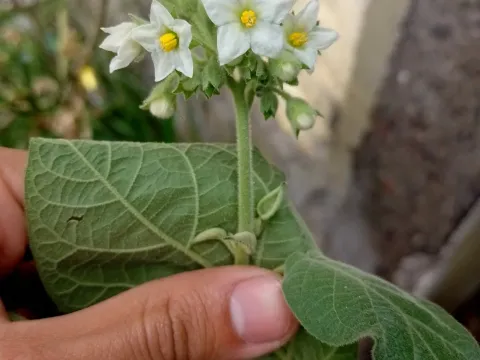
Abutilon-like nightshade
Solanum abutiloides
Solanum abutiloides, a member of the Solanaceae family, is typically propagated via seedlings. Due to its tropical origins, the seeds require consistent warmth to germinate effectively within the substrate.
What the section contains
Abutilon-like nightshade
Sowing should take place in controlled greenhouse environments about 8 to 10 weeks before the anticipated frost-free date. Maintain soil temperatures near 25 degrees Celsius for optimal emergence.
Seedlings should be transplanted into individual pots once they develop true leaves. Providing high-intensity artificial or natural light is critical to prevent the etiolation of the stems.
Hardening off the plants is a necessary phase before moving them to their permanent outdoor location. This process allows the tissues to adapt to fluctuations in wind and solar radiation.
Transplanting into the field is only recommended once the soil is thoroughly warmed. Early exposure to cold spring temperatures can cause significant physiological stress to the young plants.
This crop thrives in fertile, well-draining soils with a slightly acidic to neutral pH profile. High-organic-matter content enhances the overall vigor of the plant during the growth season.
Full sun exposure is paramount for the development of healthy foliage and flower production. Plants grown in shaded areas often suffer from reduced fruit set and delayed maturation.
Consistent moisture levels must be maintained throughout the growing season. While the plants are hardy, drought stress during the flowering phase can lead to significant blossom drop.
Regular fertilization with balanced NPK formulas is encouraged, especially during the early reproductive stages. Avoid excessive nitrogen late in the season to prevent overgrowth at the expense of fruit.
Spacing is essential for airflow, which reduces the incidence of fungal diseases. Planting intervals should ideally be between 60 and 90 centimeters to ensure adequate space for foliage growth.
The fruit yield of Solanum abutiloides depends heavily on climate management and soil fertility. In ideal conditions, the plant is quite prolific, producing large clusters of fruits.
The berries are valued for their culinary potential, often utilized in artisanal jams and traditional sauces. Their unique flavor profile distinguishes them from common supermarket nightshades.
Harvesting is performed manually as the fruit reaches full physiological maturity. The berries are prone to bruising, so careful handling during collection and sorting is highly recommended.
Post-harvest shelf life is limited, necessitating efficient logistics for fresh market produce. Cold storage can slightly extend viability if handled under strictly regulated conditions.
Crop management practices, such as pruning or supporting the branches, can improve yield quality and facilitate easier access during the busy harvest periods.
The crop is susceptible to common nightshade pests, including aphids and whiteflies. Integrated pest management, including the use of sticky traps, is recommended for early detection.
Late blight remains a serious risk, especially in regions with high humidity. Preventative fungicide applications and removing infected plant tissue are vital for survival.
Root-knot nematodes can significantly impact nutrient uptake in older plants. Utilizing healthy soil and practicing proper crop rotation cycles helps manage these soil-borne threats.
Spider mites are frequently encountered during hot and dry spells. Maintaining adequate humidity around the plants can deter these pests from colonizing the leaf undersides.
Rigorous sanitation measures, including the destruction of crop residues at the end of the season, are essential to break the life cycles of local pathogens and insect pests.