
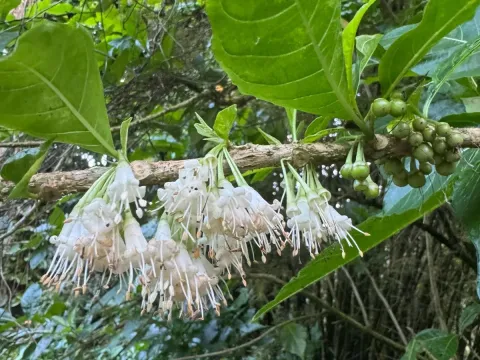
Acnistus
Acnistus
Acnistus is a genus of evergreen shrubs belonging to the Solanaceae family. Native to tropical regions of the Americas, this plant is primarily known for its decorative value and unique floral characteristics.
What the section contains

Acnistus
The plant requires bright, indirect light to thrive and bloom effectively. Direct scorching sunlight should be avoided, especially in hot summer conditions, to prevent leaf damage and dehydration.
A well-draining, nutrient-rich soil mix is crucial for Acnistus. The plant prefers a substrate that retains moisture but allows excess water to escape freely, preventing the roots from suffocating in waterlogged conditions.
Temperature management is a key aspect of its cultivation. Being a tropical species, it does not tolerate frost and must be protected during cold seasons, making it an excellent candidate for container gardening.
Growth habits involve vigorous shoot production. The foliage is lush and broad, providing a deep green backdrop for the clusters of bell-shaped flowers that appear during the warmer months of the growing season.
Spider mites are the most frequent pests affecting Acnistus, especially in indoor environments with low humidity. Regular misting and the application of insecticidal soaps help keep populations under control.
Whiteflies can also cause significant damage by feeding on the sap of young leaves. Strategic use of yellow sticky traps or biological control agents can mitigate the impact of this pest on the plant.
Fungal issues, such as root rot, are usually linked to improper watering practices. Ensuring that the soil surface dries slightly between irrigation sessions is the most effective preventative measure.
Powdery mildew may occur if air circulation is restricted. Pruning the plant to ensure better airflow through the canopy is recommended to minimize the risk of fungal outbreaks.
Nutrient deficiencies, specifically iron or magnesium, can cause yellowing between leaf veins. Applying a balanced liquid fertilizer formulated for flowering shrubs supports healthy growth and disease resistance.