
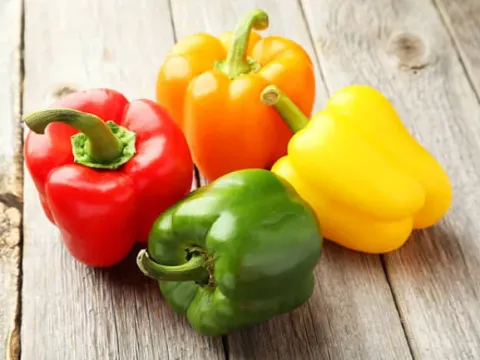
Pepper hybrids
Capsicum hybrids
Sowing pepper hybrids starts 60 to 80 days before the projected outdoor planting date. Given their sensitivity to low temperatures, seedlings are typically started in trays during late winter in heated greenhouses or indoor environments to ensure proper development.
What the section contains
Pepper hybrids
Precision in sowing is vital for F1 hybrids. Seeds should be placed at a depth of 1–1.5 cm in a sterile, well-aerated potting mix. Consistent moisture and a soil temperature of approximately +25...+28°C are essential to trigger uniform germination across the tray.
Supplemental lighting is often necessary for pepper seedlings to prevent leggy growth. Providing 12–14 hours of light daily ensures that the stems become sturdy and capable of supporting the heavy fruit loads expected from hybrid varieties.
Transplanting should be handled with care to avoid root damage. Using plug trays or individual pots allows the root ball to remain intact, which helps the young plant overcome the shock of moving to its final growing location more effectively.
Hardening off the seedlings is a crucial step before moving them to the field. Gradually exposing the plants to lower temperatures and outdoor wind conditions over 7–10 days prepares them for the stressors of an open environment.
Pepper hybrids belong to the Solanaceae family and thrive in warm, sunny climates. They are highly dependent on high heat accumulation, with optimal development occurring in the range of +22...+26°C, as cooler temperatures can cause growth stagnation.
Soil quality is paramount. These plants prefer well-drained, fertile soil with a pH level between 6.0 and 6.5. Sandy or silty loam soils, enriched with organic matter, are ideal for maintaining the necessary balance of aeration and water retention.
Water management is the cornerstone of pepper cultivation. Because they are prone to blossom drop and fruit rot, steady soil moisture is required. Drip irrigation systems are the standard industry solution for providing consistent water and nutrients.
Light intensity significantly dictates the yield of Capsicum hybrids. They require full sun exposure and should be planted in areas free from shadows cast by structures or tall trees to ensure maximum photosynthesis during the growing season.
Fertilization regimes for hybrids should be intensive. They are "heavy feeders" that require high levels of nitrogen during the vegetative phase and increased concentrations of potassium and phosphorus once fruit set begins to ensure large, healthy harvests.
Pepper hybrids are specifically bred for high yield and productivity. The heterosis effect allows these plants to produce more fruits per square meter than traditional heirloom varieties, making them the preferred choice for commercial farming.
Uniformity is a hallmark of hybrid peppers. Each fruit tends to reach a similar size and shape, which dramatically reduces labor costs during harvesting, sorting, and packaging for wholesale or retail markets.
The harvest period for modern hybrids is extended through breeding efforts. With proper maintenance, these plants will continue to set and ripen fruits well into late autumn, maximizing the utility of the growing space.
Management practices, such as removing the "king fruit" (the first flower at the primary node), help redirect energy into the development of multiple high-quality fruits, significantly boosting the total harvest weight.
Hybrids exhibit greater resilience to climate fluctuations, which ensures that yield remains stable even in challenging weather years, provided that basic irrigation and fertilization requirements are consistently met.
Pest pressure is a constant challenge for pepper growers. Aphids, whiteflies, and spider mites are common threats that thrive in warm, dry greenhouse conditions. Integrated pest management (IPM) is essential to keep populations below economic damage thresholds.
Fungal diseases like Fusarium wilt and Verticillium wilt are particularly dangerous, as they colonize the vascular system of the plant. These diseases are best managed through strict sanitation and crop rotation to avoid soil-borne pathogens.
Phytophthora blight is a major concern, especially in areas with poor drainage or excessive humidity. Keeping the canopy open and ensuring adequate airflow can prevent the moist microclimates that these pathogens require to spread.
Bacterial spot can cause significant damage to foliage and fruit quality. Using certified disease-free seeds and practicing good field hygiene are the primary methods for preventing the introduction and spread of bacterial infections.
Viruses transmitted by insects are a concern in many regions. Controlling the vector populations, such as aphids and thrips, is the only effective way to prevent the rapid transmission of mosaic viruses through a hybrid crop.
Harvesting is typically performed based on the intended market. Green peppers harvested in the technical maturity stage are ideal for long-distance transport, as they possess firm walls and high resistance to bruising.
For high-value fresh markets, peppers are often allowed to reach biological maturity, where they develop their full color and sweetest flavor. These fruits are more perishable and require careful handling to maintain their aesthetic appeal.
The use of sharp shears for harvesting is a best practice. Snapping fruits off by hand often leads to stem breakage or injury to the plant, which invites opportunistic infections in the remaining tissue.
Post-harvest cooling is recommended to extend the shelf life of the produce. By quickly lowering the temperature of the harvested fruits, growers can significantly delay the onset of decay and dehydration.
Sanitation during harvest is critical to preventing the spread of diseases. Ensuring that all tools are sterilized regularly helps protect the health of the plants for the remainder of the season, especially in successive picking operations.