
Balkan mullein
Verbascum banaticum
Description
Sowing dates
Sowing of Balkan mullein seeds is typically carried out in spring when soil temperatures reach 10–12 degrees Celsius. Seeds are very small and should be sown at a depth of no more than 0.5–1 centimeter, as they require light for optimal germination.
In regions with mild winters, autumn sowing in late October or early November is possible. This allows for natural stratification of the seeds in the soil, which leads to more vigorous development of the basal leaf rosettes in the following spring.
For commercial production, row seeding is used with spacing of 45–60 centimeters between rows. This spacing facilitates mechanical weeding, cultivation, and the manual collection of flowers during the blooming season.
During the first year, the plant develops a large, robust basal rosette of leaves. The flowering stalks and reproductive growth usually occur during the second year of the plant's life cycle.
Thinning is necessary if the seeds were sown too densely. An optimal spacing of 30–40 centimeters between mature plants ensures that each individual has sufficient space for nutrient uptake and proper solar exposure.
Growing requirements
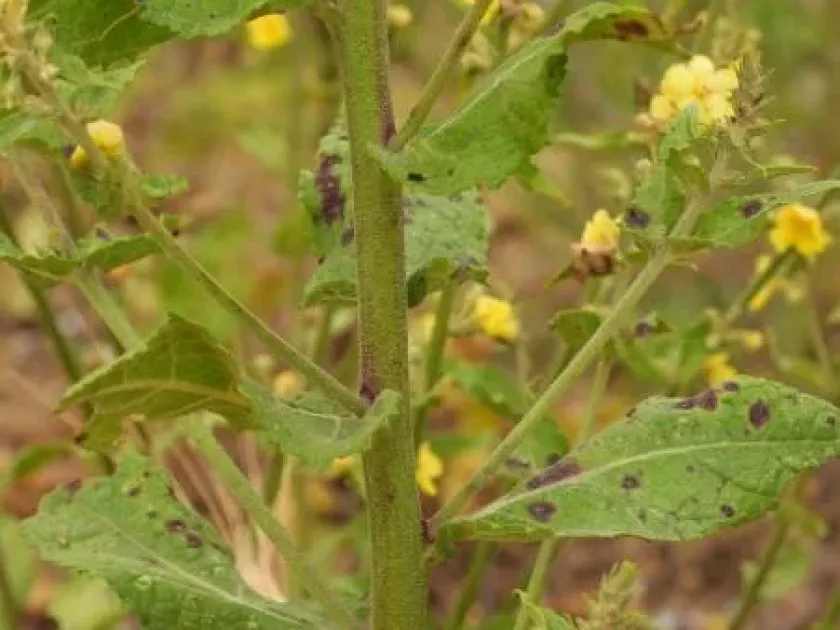
The Balkan mullein belongs to the Scrophulariaceae family and is a biennial or perennial herb with an erect stem. The plant is highly valued for its adaptability and ability to thrive in various temperate climates.
This crop prefers open, sunny locations. Excessive shade can cause the plants to grow thin, etiolated stems and reduces the concentration of beneficial phytochemicals within the flowers.
The plant grows best in well-drained, light soils, such as sandy loams or loams, with a neutral or slightly alkaline pH. Good drainage is essential to prevent root rot, especially during wetter seasons.
Balkan mullein is quite drought-tolerant once established, thanks to its deep taproot system. However, regular soil aeration through light cultivation helps improve growth rates and overall plant health.
While the plant does not require high levels of fertilization, applying moderate amounts of organic matter prior to planting can improve yields on poorer soil types. The crop is economically efficient due to its low maintenance needs.
Yield
The economic value of Balkan mullein is derived from the collection of its flower corollas, which are used in pharmaceutical and traditional medicine applications. The yield of dried raw material depends on plant density and proper field management.
Harvesting is labor-intensive, requiring daily collection of flowers as they bloom. Because the petals are delicate, they must be gathered during dry, sunny weather to maintain high quality.
The quality of the raw material is determined by the content of mucilage, saponins, and flavonoids, which reach their peak during full bloom. Proper post-harvest handling is critical to preserving these therapeutic properties.
The maximum productivity is observed in the second year of growth when the plant produces the highest number of flowering spikes. This stage offers the greatest yield of raw material per unit of cultivated area.
With correct agricultural practices, a plantation can provide consistent yields for several years before the soil or the plants themselves require replacement or renewal.
Main diseases and pests
Balkan mullein possesses significant resistance to many pests due to the dense, woolly hairs covering its leaves, which deter many insects. However, in periods of high humidity, the plant may become susceptible to fungal infections.
Powdery mildew is the most common disease, manifesting as a white fungal growth on the leaves. Preventing overcrowding and ensuring good airflow are essential cultural practices to mitigate this risk.
Rust infections can also occur in unfavorable weather conditions. Management strategies involve removing infected plants immediately and monitoring fields closely to prevent further spread of the pathogen.
Occasional insect pressure from larvae of certain moth species may occur, affecting leaves or flower buds. Monitoring during the evening hours allows for the early detection of these pests.
Chemical control should be limited, particularly when the crop is intended for medicinal use. Integrated pest management, focusing on biological controls and cultural practices, is preferred to ensure safety and sustainability.
Harvesting
Harvesting begins at the peak of flowering, when the corollas are fully open. It is crucial to pick only the petals while leaving the calyxes behind, as the latter lack medicinal value and degrade the quality of the final product.
Harvesting is best conducted on sunny mornings after the dew has evaporated. Wet petals darken quickly, losing their potency and aesthetic quality, which makes them unsuitable for market.
Collected materials should be transported to the drying facility immediately. Prolonged storage in piles leads to overheating and chemical degradation, which destroys the active medicinal compounds.
Drying should be performed at temperatures not exceeding 50 degrees Celsius or in well-ventilated, shaded areas. The material must be spread in thin layers to ensure uniform moisture removal.
Dried products should be stored in dark, dry locations within airtight containers. High-quality mullein petals retain their yellow color and a subtle honey-like aroma throughout their shelf life.