
Boerhaave's mullein
Verbascum boerhavii
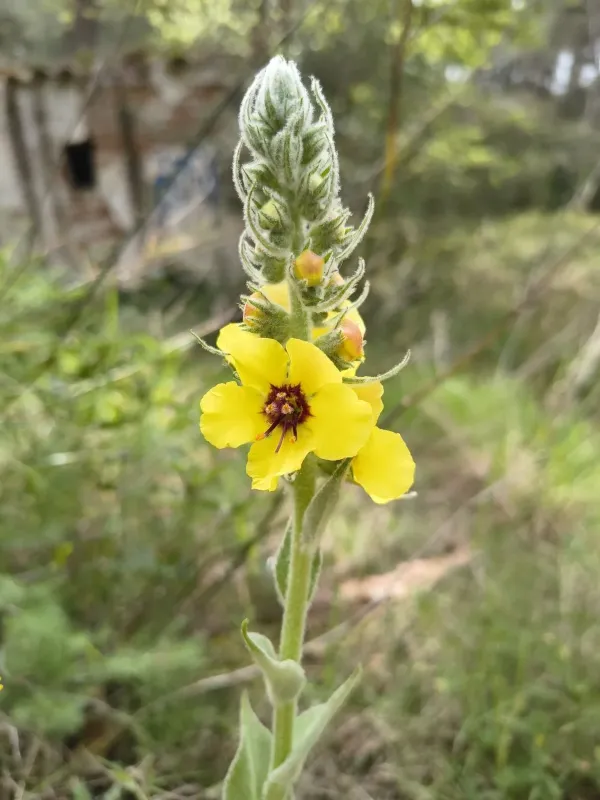
Description
Sowing dates
Sowing Boerhaave's mullein should be done in early spring, once the soil temperature is consistently above 10-12 degrees Celsius. Surface sowing is essential as the seeds require exposure to light to initiate the germination process.
Autumn sowing is also a viable option in milder climates, allowing the seeds to undergo natural stratification. This method often results in stronger seedlings during the following spring compared to early spring sowing.
For indoor propagation, start seeds in late winter using a light, well-draining seed-starting mix. Keep the soil surface moist but avoid waterlogging, as excessive dampness is detrimental to the delicate germinating seeds.
Once seedlings have developed two or three sets of true leaves, they should be transplanted into individual pots to avoid root competition. Proper spacing at this stage is crucial for developing robust basal rosettes.
When planting outdoors, ensure a distance of 40–50 cm between individual plants. This spacing promotes air circulation around the rosette, which is vital for preventing the development of humidity-related pathogens.
Growing requirements
Sunlight is the primary requirement for Boerhaave's mullein. It thrives in full sun, where it maintains its structural integrity and produces the most vibrant flower spikes. Lack of light leads to elongated, weak stems.
The plant is not overly demanding regarding soil fertility and can tolerate poor, sandy, or rocky soils. However, good drainage is non-negotiable; heavy, water-saturated soils lead to rapid root decay and plant failure.
Water management should be conservative. While young plants need regular moisture to establish their root systems, mature specimens are highly drought-tolerant and prefer periods of dry soil between watering sessions.
Fertilization should be handled with care, as high-nitrogen feeds encourage excessive leaf growth at the expense of floral development. A balanced, slow-release fertilizer applied once in early spring is sufficient.
In cold climates, providing a layer of mulch around the base of the plant during winter can protect the root crown from extreme freeze-thaw cycles, ensuring better survival rates for the following season.
Main diseases and pests
Aphids are the most common pest, typically clustering on the flower spikes and tender young leaves. Regular monitoring and the use of insecticidal soaps or neem oil can effectively control populations without harming beneficial insects.
Powdery mildew represents a significant fungal threat, manifesting as a white, dusty layer on the foliage. It is most prevalent in areas with poor airflow and high humidity, underscoring the importance of proper spacing.
Root rot occurs in poorly drained soils or overwatered areas. If the plant shows signs of sudden wilting despite damp soil, it is usually indicative of fungal pathogens attacking the root system due to waterlogging.
Leaf-eating beetles can cause aesthetic damage by chewing holes in the foliage. Hand-picking is often sufficient for small garden patches, while larger plantings might require selective use of biological pesticides.
Good sanitation practices, such as clearing away debris and dead leaves in the fall, significantly reduce the wintering sites for pathogens. This simple practice is one of the most effective ways to maintain overall plant health.