
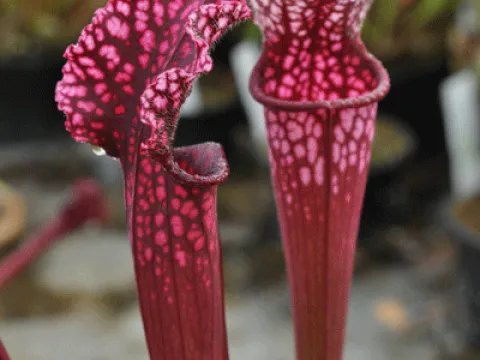
Sarracenia stevensii
Sarracenia stevensii
Sarracenia stevensii is a hybrid belonging to the Sarraceniaceae family, renowned for its unique carnivorous trapping mechanism. This plant is a popular choice for enthusiasts due to its striking appearance and resilience compared to other carnivorous species.
What the section contains
Sarracenia stevensii
Sunlight is the most critical factor for this plant; it requires intense light to develop its characteristic coloration and robust pitcher structure. Lack of light results in weak, drooping pitchers and a general decline in the plant's biological vigor.
The potting medium must be nutrient-poor and acidic, specifically designed for carnivorous plants. A mixture of sphagnum peat moss and perlite provides the necessary drainage and moisture retention while preventing mineral buildup that would harm the sensitive roots.
Watering protocols are strict: only distilled, rainwater, or reverse osmosis water should be used. The plants prefer to sit in a shallow tray of water, ensuring the growing medium remains consistently moist to mimic their natural wetland habitats.
A winter dormancy period is essential for the long-term health of Sarracenia stevensii. During this time, the plant should experience cooler temperatures, which signals the plant to slow its metabolic rate and prepare for the spring growth spurt.
Aphids are the most common pests, often clustering on the fresh, tender growth of new pitchers. These insects can cause significant deformity if not addressed promptly using gentle, plant-safe intervention methods.
Fungal infections, particularly grey mold, can become an issue if the plant is kept in an environment with poor air circulation. Ensuring a steady airflow is vital to prevent the spread of spores on the foliage.
Mineral burn is a non-pathogenic threat caused by hard water, leading to browning leaf tips and stunted root development. This is easily prevented by adhering strictly to the use of mineral-free water sources throughout the entire year.
Mealybugs may occasionally hide in the crevices of the rhizome or the base of the leaves. Regular inspection of the plant's crown helps in early detection, allowing for the manual removal of pests before they cause substantial damage.
Root rot occurs if the soil becomes stagnant or if the plant sits in cold, overly wet conditions for too long during the winter. Balancing moisture levels is an art form that requires monitoring the drying rate of the specific potting substrate used.