
Parrot pitcher plant
Sarracenia psittacina
Description
Sowing dates
Propagation of the parrot pitcher plant is primarily achieved through seeds, which require a cold stratification period of approximately 6 to 8 weeks to break dormancy.
Sowing should ideally occur in late winter, utilizing a sterile, acidic medium such as long-fibered sphagnum moss or a mix of peat and perlite for optimal drainage.
Vegetative propagation via rhizome division is a viable option for mature specimens, typically carried out during the plant's winter dormancy phase before new growth begins.
Seeds must be kept surface-sown and consistently moist under bright light, as they are photoblastic and require light exposure to trigger germination processes.
Maintaining high ambient humidity during the initial growth stages is essential to ensure that the delicate seedlings do not desiccate and successfully establish their root systems.
Growing requirements
The parrot pitcher plant belongs to the Sarraceniaceae family and is native to the southeastern United States, thriving in naturally nutrient-poor, waterlogged wetland habitats.
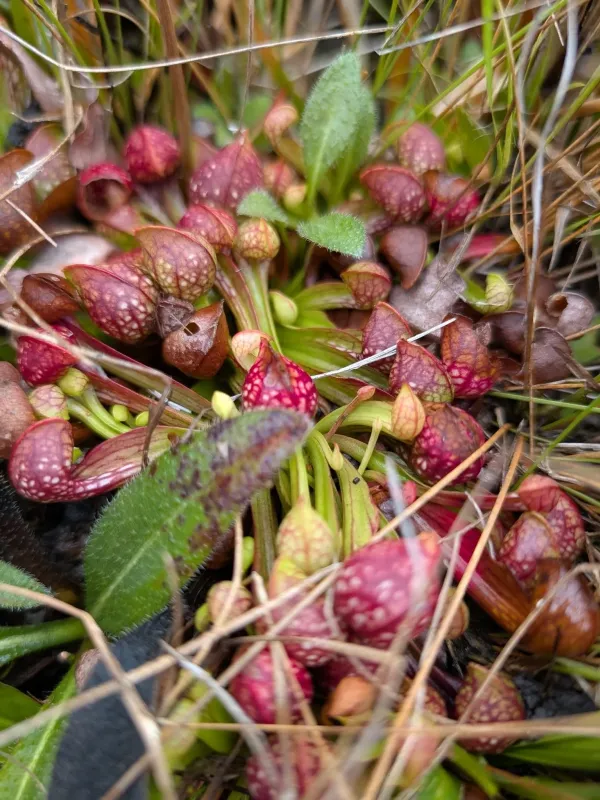
This species is morphologically distinct, featuring low-growing, rosettes of pitcher leaves that function as underwater traps for aquatic and semi-aquatic prey.
Environmental conditions require intense light exposure; adequate sunlight is necessary for the plant to develop its signature red venation and robust, healthy pitcher structures.
The growing medium must be nutrient-free, with a very low pH level, as the plant has evolved to extract nutrients from insect prey rather than from the soil itself.
Consistent moisture is vital; these plants are best suited for the tray method, where the pot sits in a shallow amount of pure, distilled, or rainwater at all times.
Main diseases and pests
Fungal infections, particularly various species of mold, are a significant risk during the cooler winter months when airflow around the rosette can be limited.
Aphids pose a major threat to the soft tissues of the developing pitchers, often leading to stunted growth and disfigurement of the specialized trap openings.
Spider mites can colonize the plant if the surrounding air becomes too dry, causing the foliage to lose color and eventually turn necrotic if left untreated.
Root rot is a common issue resulting from the use of mineral-rich tap water, which eventually causes an accumulation of harmful salts in the substrate that destroys the roots.
Preventative care, including the regular removal of senescent or dead pitcher tissues, helps maintain hygiene and significantly reduces the probability of bacterial and fungal outbreaks.