
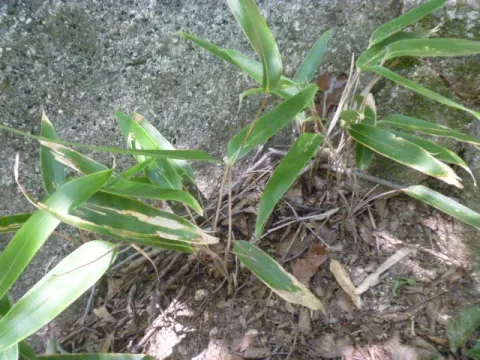
Sasamorpha
Sasamorpha
Sasamorpha is a genus of perennial evergreen plants belonging to the grass family (Poaceae). These plants are part of the bamboo group, known for their lignified stems and vigorous rhizomatous growth habits.
What the section contains
Sasamorpha
Native to East Asia, particularly Japan, the genus thrives in moist forest environments. It prefers habitats that provide protection from extreme temperature fluctuations and excessive wind exposure, typical of its natural range.
To cultivate Sasamorpha successfully, fertile, well-draining soil rich in organic matter is essential. The plants are intolerant of waterlogged conditions, which can lead to root rot and significant stand decline.
The climate requirements include moderate temperatures and high ambient humidity. In regions with dry summers, irrigation is necessary to maintain the health and aesthetic appeal of the foliage throughout the growing season.
Agronomic management requires controlling the plant's aggressive root system. Due to its invasive nature, installing physical barriers at a sufficient depth is a standard practice to prevent the bamboo from spreading beyond the designated planting area.
Sasamorpha is primarily utilized in landscaping for creating dense hedges and ground cover. Its yield is typically measured by the density of the canopy and the rate of biomass regeneration during the vegetative phase.
In certain contexts, it is explored as a source of renewable fiber or cellulose. Its rapid growth rate allows for consistent biomass production, which can be harvested periodically without the need for reseeding.
The harvest cycle typically aligns with the end of the main growth phase. Mechanical cutting techniques are used to collect the stems, ensuring that the rhizome network remains intact for subsequent seasons.
While not a traditional forage crop, certain species within the group have shown potential for use in animal feed blends after appropriate processing to improve nutrient availability.
Optimizing the harvest depends on maintaining a balanced stand age. Younger, more vigorous shoots often provide higher quality material, necessitating regular maintenance and thinning to maximize productivity.
Fungal diseases affecting the leaves are the most common threat to Sasamorpha, particularly in areas with poor airflow and high humidity. These infections manifest as lesions that can lead to leaf yellowing and shedding.
Pests such as spider mites and aphids frequently target the young, tender shoots. These insects weaken the plants by draining sap, which can compromise the structural integrity of the stems and the overall health of the stand.
Effective pest management involves early detection and the use of targeted insecticides. Furthermore, ensuring that the planting density is not too high helps in maintaining better air circulation, which naturally discourages pest outbreaks.
Sanitation practices are vital; removing diseased or dead canes helps reduce the inoculum load for fungal pathogens. Consistent monitoring for symptoms is recommended throughout the growing season.
Root health is closely linked to soil management. Avoiding excessive nitrogen fertilization prevents succulent, overly vulnerable growth, while proper drainage ensures that the roots are not subjected to anaerobic stress that facilitates rot.