
Saxifraga rebunshirensis
Saxifraga rebunshirensis
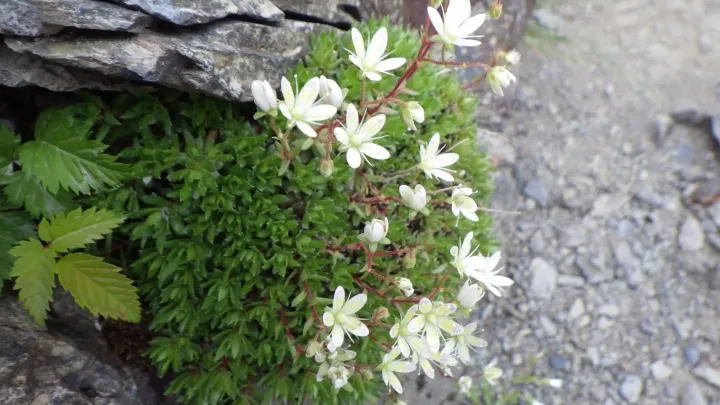
Description
Sowing dates
Sowing Saxifraga rebunshirensis seeds is best performed in late winter to early spring. The seeds are very small and require surface sowing on a well-draining, fine-textured seed-starting mix to ensure they receive enough light to germinate effectively.
A period of cold stratification is essential for breaking dormancy in this alpine species. Placing seed trays in a cold frame or a refrigerator for 3 to 4 weeks significantly improves germination rates and ensures more uniform seedling emergence.
After the cold period, the containers should be moved to a bright, cool environment with temperatures between 15°C and 18°C. Keeping the surface consistently moist but not saturated is crucial during this delicate phase of development.
Seedlings should be pricked out into individual small pots once they develop their first set of true leaves. It is important to use a gritty, nutrient-poor substrate that mimics their natural rocky habitat to prevent damping-off diseases.
Acclimatization to outdoor conditions is necessary before final planting in the rock garden. Gradually exposing the young plants to outdoor temperatures over a week helps them harden off and reduces transplant shock significantly.
Growing requirements
Saxifraga rebunshirensis belongs to the Saxifragaceae family and is native to the harsh environments of Rebun Island. As an alpine plant, it thrives in high-drainage, cool locations that reflect its natural mountainous origins.
The soil must be highly porous, consisting of a mix of sand, crushed gravel, and a small amount of organic leaf mold. Maintaining this structural integrity is vital for root health, as stagnant water will quickly cause the root system to rot.
Placement in the garden should provide bright light but avoid the harsh intensity of direct midday sun. East-facing slopes or spots that receive soft morning light are ideal for maintaining the plant's compact, cushion-forming habit.
Watering requirements are strict; the plant prefers to be kept slightly moist but never waterlogged. During the summer, extra attention is needed to ensure the base of the cushion remains cool and free from humidity buildup.
Top-dressing the soil around the plant with fine gravel helps protect the crown from direct contact with wet soil. This practice is essential for preventing rot and ensuring that water drains away from the center of the rosette efficiently.
Main diseases and pests
Root rot caused by poor soil drainage and excessive moisture is the primary threat to Saxifraga rebunshirensis. Signs of distress include yellowing of the outer leaves and loss of the tight cushion structure, often indicating fatal root damage.
Slugs and snails are major pests that find the succulent leaves of this species particularly attractive. Implementing physical barriers like crushed shells or applying organic pest control methods is necessary during wet weather conditions.
Fungal pathogens such as grey mold can proliferate in stagnant air conditions. Ensuring adequate spacing between plants and maintaining good airflow around the garden patch helps minimize the risk of infection.
Excessive humidity combined with high temperatures can stress the plant, making it more susceptible to infections. Providing shade or using a cooling layer of gravel mulch helps mitigate these negative environmental factors during mid-summer.
Regular inspection of the plant's crown for signs of decay or pest damage is recommended. Early intervention, including pruning affected areas and adjusting the watering regime, is often the only way to save a struggling specimen.