
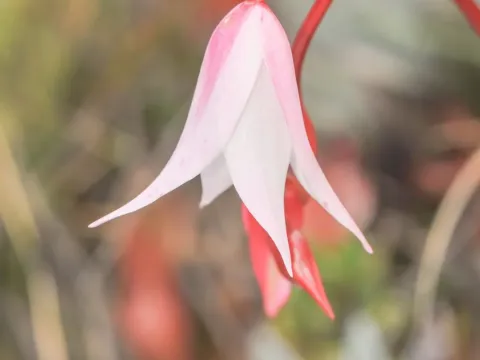
Heliamphora
Heliamphora
Heliamphora, commonly known as the Sun Pitcher, belongs to the Sarraceniaceae family and is native to the unique high-altitude plateaus of the Guiana Highlands in South America.
What the section contains

Heliamphora
To cultivate these plants successfully, a strictly controlled environment is essential, providing cool nights (around 10–15°C) and moderate daytime temperatures (20–25°C) to mimic their mountain habitat.
The potting medium must be inorganic and nutrient-poor, typically consisting of live sphagnum moss mixed with perlite or silica sand to ensure excellent drainage and root aeration.
These plants thrive under high-intensity artificial light or filtered sunlight, requiring a photoperiod of approximately 12–14 hours per day to maintain healthy leaf coloration and growth.
Hydration is strictly provided via the tray method using only distilled water or reverse osmosis water, as the presence of dissolved minerals will quickly damage the plant's delicate root system.
Fungal infections and rot are the primary threats to Heliamphora, often caused by stagnant air and poor ventilation within a closed growing environment like a terrarium.
Pests such as mealybugs and spider mites are known to infest the pitchers, requiring careful management with non-toxic insecticides or mechanical removal to avoid damaging the leaves.
Excessive moisture combined with inadequate light can lead to the rapid onset of crown rot, which is often fatal if not caught in the early stages through regular monitoring.
Maintaining air circulation is critical; slow air movement promotes the growth of pathogens that can compromise the structural integrity of the pitcher walls.
Regular sanitation of the growing area and the use of fresh, sterile potting components are the best practices for preventing widespread disease outbreaks in a collection.