
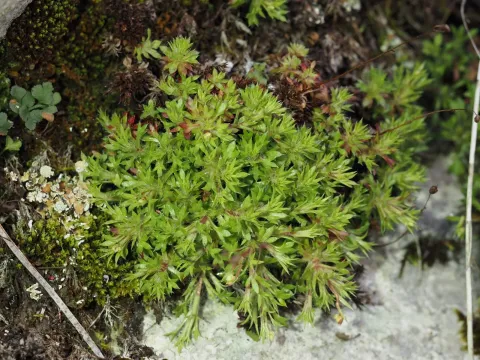
Saxifraga continentalis
Saxifraga continentalis
Saxifraga continentalis is a perennial herb belonging to the Saxifragaceae family. This species originates from rocky, mountainous habitats, where it has evolved to thrive in nutrient-poor and high-drainage environments.
What the section contains
Saxifraga continentalis
The primary requirement for successful cultivation is an exceptionally well-draining substrate. Growers should use a mix of rock chips, gravel, and organic matter, ensuring that the root system never remains submerged in stagnant moisture.
In terms of climate, this plant prefers cool, airy conditions. It performs best when placed in locations with partial morning sun and protection from the intense midday heat, which can lead to rapid desiccation of the delicate rosettes.
Soil pH should ideally be neutral or slightly alkaline. The addition of crushed limestone or dolomite grit can help simulate the plant’s native alpine growing conditions, promoting stronger growth and better overall vigor.
Horticulturally, it is utilized as an ornamental specimen in rock gardens, scree slopes, and trough gardens. Its compact growth habit and ability to persist in challenging crevices make it a favorite for alpine gardening enthusiasts.
The most significant threat to the health of Saxifraga continentalis is crown rot, caused by fungal pathogens when moisture levels are excessive. Preventive measures include ensuring good airflow and avoiding overhead irrigation.
Aphids can be a common pest during the active growing season, clustering around the delicate flower stems and young leaf bases. Their feeding weakens the plant and can facilitate the transmission of viral diseases.
Spider mites are another potential pest, especially in hotter, drier seasons. Their activity results in stippling on the leaves, which significantly reduces the decorative quality of the plant’s compact rosettes.
Effective pest management involves early detection and the use of insecticidal soaps or systemic treatments when necessary. Care must be taken to apply products during cooler parts of the day to avoid leaf scorch.
Good sanitation, including the prompt removal of decaying leaves and debris from the base of the plant, is essential. This practice prevents the buildup of pathogens and keeps the plant's immediate environment clean and healthy.