
Sarracenia alata
Sarracenia alata
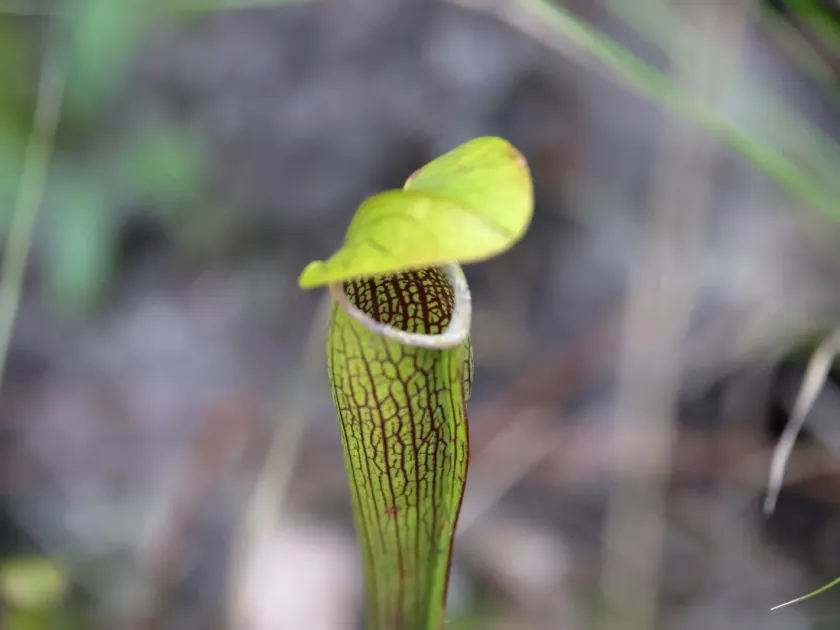
Description
Sowing dates
Sarracenia alata propagation is typically performed via seeds, which require a mandatory cold stratification period of 4 to 6 weeks to break dormancy effectively.
Seeds should be sown on the surface of a damp, nutrient-poor substrate consisting of pure peat moss or a mixture of peat and perlite.
Proper light exposure is critical for germination, and seeds should not be buried under the soil as they need light to sprout successfully.
Rhizome division is another common method, performed best during early spring before the plant enters its active growth phase.
After dividing, the plantlets should be kept in a high-humidity environment until the root system has fully established and new leaf growth is visible.
Growing requirements
This species is highly demanding regarding light, requiring full sun exposure to maintain the structure of its pitchers and ensure healthy development.
The substrate must be acidic and free of minerals, as Sarracenia alata is extremely sensitive to fertilizers and salts, which can kill the root system.
Watering must be done exclusively with distilled, rain, or reverse osmosis water to prevent the accumulation of minerals that lead to leaf tip dieback.
The plant thrives in "bog-like" conditions, meaning the pot should always stand in a shallow tray of water throughout the entire growing season.
During the winter dormancy period, the plant requires a significant drop in temperature to reset its metabolic cycle and prepare for the next season.
Main diseases and pests
Common pests affecting Sarracenia alata include aphids, spider mites, and scale insects, which often target the succulent pitcher rims or new growth.
Botrytis, or gray mold, can occur if the plants are kept in poor ventilation conditions, especially during the humid spring or winter months.
Fungal infections in the rhizome can be catastrophic and are usually caused by waterlogged soil that lacks oxygen or proper drainage.
- Regularly inspect the inner parts of the pitchers for trapped pest colonies.
- Remove dead foliage promptly to reduce the risk of mold growth.
- Ensure constant fresh air circulation around the plants.
If chemical control is necessary, choose mild, water-based insecticides and avoid heavy oils or synthetic fertilizers that damage the plant's cuticles.