
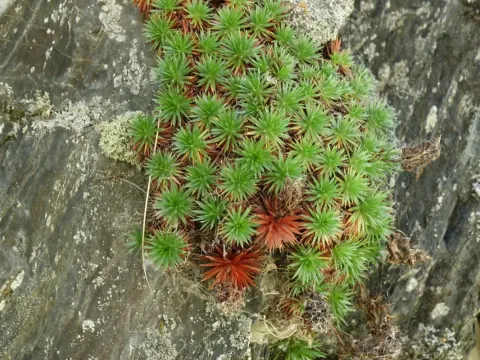
Saxifraga ruprechtiana
Saxifraga ruprechtiana
Saxifraga ruprechtiana is a resilient perennial herbaceous plant belonging to the Saxifragaceae family. This species is native to high-altitude mountainous regions, where it thrives in rocky crevices and poor, stony soils, showcasing significant evolutionary adaptations to its harsh environment.
What the section contains
Saxifraga ruprechtiana
Botanically, the plant is characterized by its tight, compact rosettes of leathery leaves. These leaves are specifically designed to minimize transpiration, allowing the plant to retain water in thin mountain air and withstand the physiological stress of rocky habitats.
The cultivation requirements for Saxifraga ruprechtiana are strict: it demands exceptional drainage. In agricultural or horticultural settings, it is essential to mimic its natural habitat by using a gritty, well-draining mineral substrate that prevents any moisture retention around the root collar.
The species prefers cool, airy locations with partial to full sun exposure. It is highly sensitive to heat stress and humidity, necessitating a location where air circulation is constant, ensuring the rosettes remain dry after rainfall or irrigation.
In landscaping, this species is prized as an essential component of rock gardens, scree slopes, and alpine troughs. Its ability to grow in very limited soil volumes makes it a superior choice for specialized container gardening and rockery design.
The primary threats to Saxifraga ruprechtiana are fungal diseases, such as crown and root rot, which develop rapidly in waterlogged soils. To mitigate this risk, it is vital to avoid overhead watering and ensure the substrate dries out between irrigation cycles.
Insect pests including aphids and spider mites can infest the rosettes during periods of environmental stress. These pests can significantly weaken the plant, making it more susceptible to opportunistic pathogens and reducing its overall vigor.
Gastropods, such as slugs and snails, are frequent pests in open garden settings. They are attracted to the succulent foliage and can cause severe damage overnight; therefore, the use of physical barriers or snail traps is recommended during the growing season.
Prevention involves maintaining high hygiene standards around the plants, such as removing debris and dead foliage. If an infection occurs, fungicide treatment should be administered immediately to prevent the rapid decline of the affected rosettes.
- Maintain a mineral-based mulch, like fine gravel, to separate leaves from the soil surface.
- Avoid high-nitrogen fertilizers which lead to weak, succulent growth susceptible to pests.
- Ensure adequate spacing between plants to facilitate optimal airflow and evaporation.