
Sarracenia
Sarracenia L.
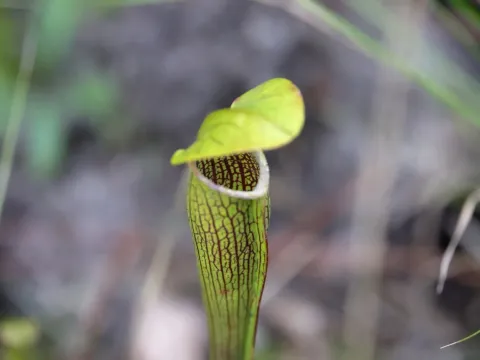
Sarracenia (Sarracenia) is a genus of perennial carnivorous plants within the family Sarraceniaceae. Native to the wetlands of North America, these plants have evolved specialized leaves adapted into deep, liquid-filled pitchers to capture and digest insects.
What the section contains


Sarracenia
The botanical structure of the plant allows it to thrive in nutrient-poor environments by supplementing its diet with organic nitrogen derived from captured prey. The hood of the pitcher typically prevents rainwater from diluting the digestive enzymes inside.
To ensure healthy development, Sarracenia requires high light exposure, ideally receiving at least six to eight hours of direct sunlight daily. Insufficient light results in weak, spindly pitcher formation and poor plant coloration.
Watering is the most critical aspect of Sarracenia cultivation. It is essential to use only distilled water, rainwater, or reverse osmosis water to avoid mineral buildup, which is toxic to the sensitive roots of these bog-dwelling species.
The potting medium must be nutrient-free, typically consisting of long-fiber sphagnum moss or a mixture of peat moss and perlite. The application of standard garden fertilizers is strictly prohibited, as it can cause rapid tissue burn and death.
Aphids are the most common pest, often colonizing the tender new growth and the inside of the pitcher rims. Early detection and treatment with mild insecticides are necessary to prevent severe infestations.
Spider mites represent a threat, particularly when the surrounding air humidity is too low. Increasing moisture and ensuring good air circulation are key preventative measures against these tiny arachnids.
Fungal infections, such as grey mold (Botrytis), are common during the dormant winter period if the plant is kept in an area with stagnant air and cold, damp conditions.
Rhizome rot is a significant risk caused by overwatering with contaminated water or using poor-quality potting media that retains too much moisture without aeration.
Mealybugs can occasionally hide within the base of the leaves, drawing sap and weakening the plant's immune system. Regular inspection and targeted application of approved treatments are essential for long-term plant vigor.