
Sarracenia jonesii
Sarracenia jonesii
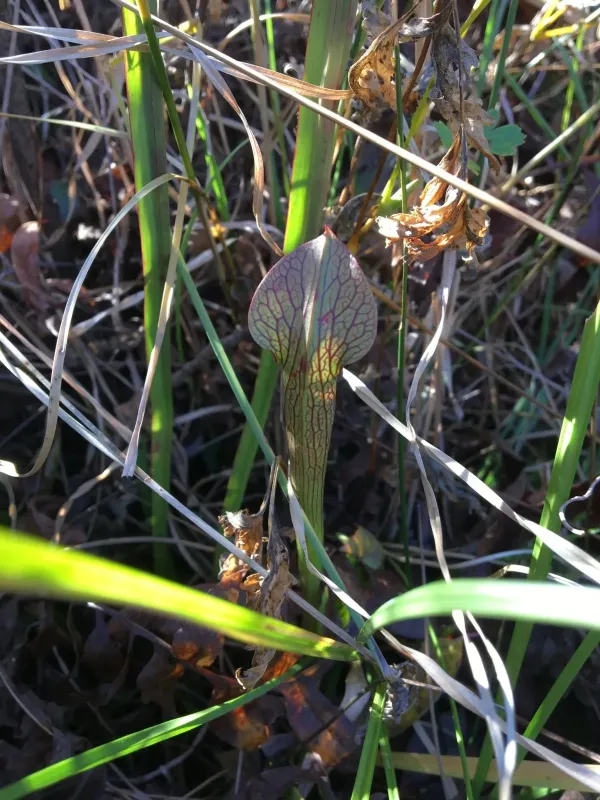
Description
Growing requirements
Sarracenia jonesii is a distinct species of carnivorous perennial plant belonging to the Sarraceniaceae family. Native to the mountain bogs of the southeastern United States, this species has evolved specialized leaf structures known as pitchers to capture insects in order to obtain essential nitrogen in nutrient-poor environments.
The botanical characteristics of this plant include hooded pitcher leaves that are often highly colored with veins, which act as a lure for potential prey. The root system is shallow and relies on constant moisture, making the plant highly intolerant to drought conditions or drying out of the growing medium.
Successful cultivation requires high-intensity lighting, which is crucial for the development of vibrant colors on the pitchers and overall plant health. Growers should utilize a nutrient-poor substrate, such as a mix of peat moss and perlite, avoiding any conventional potting soils that contain mineral fertilizers.
The watering regime is a fundamental aspect of Sarracenia management, involving the use of distilled or rainwater only. Mineral salts from tap water can cause rapid decline in the plant's health, often leading to the scorching of root hairs and subsequent mortality of the entire specimen.
Sarracenia jonesii requires a distinct period of winter dormancy characterized by cooler temperatures and reduced photoperiods. During this time, the plant may die back significantly, but it is essential to keep the soil slightly moist to ensure the plant successfully emerges from dormancy in the spring.
Main diseases and pests
Pest management for this species primarily involves monitoring for infestations of aphids and spider mites, which tend to congregate on the succulent parts of the pitchers. Manual removal or the application of specialized horticultural soaps is often recommended as the primary line of defense.
Fungal issues, particularly Rhizome rot, represent a major threat during the winter months if air circulation is insufficient or if the growing medium remains overly stagnant. Ensuring proper airflow and maintaining correct moisture levels during the dormant season are key factors in preventing these botanical pathogens.