
Sarracenia minor
Sarracenia minor
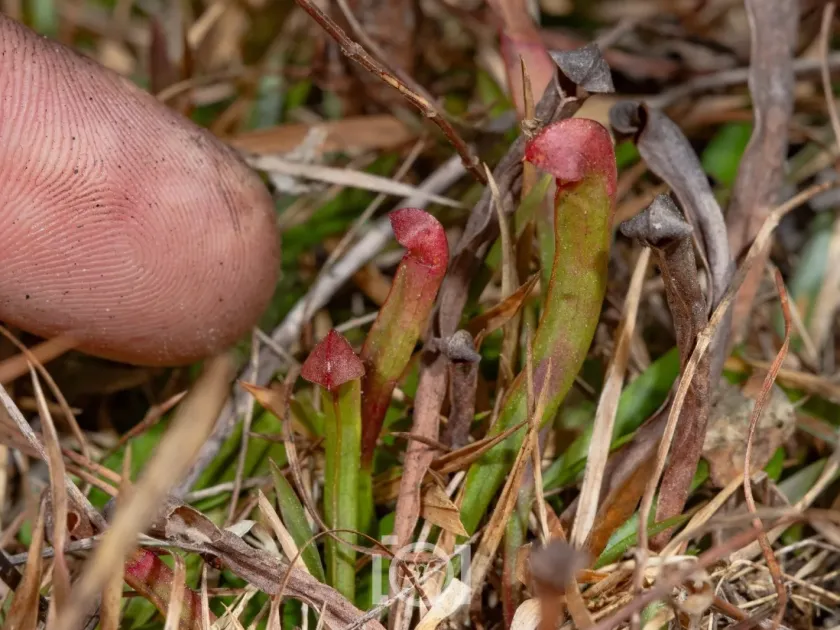
Description
Sowing dates
Sarracenia minor is propagated via seeds which require a cold stratification period of approximately six weeks to break dormancy effectively.
Seeds are surface-sown on a moist, nutrient-poor substrate like sphagnum peat moss, which must be kept damp throughout the germination process.
After the cold period, the containers should be placed in a bright area with temperatures maintained between 20 and 25 degrees Celsius.
High ambient humidity is essential for success, often achieved by using clear plastic covers or specialized propagation chambers with ventilation.
Growth of seedlings is notably slow, and they should be handled with extreme care when transplanting into individual pots once they have matured.
Growing requirements
This species belongs to the Sarraceniaceae family and originates from the wetland habitats of the southeastern United States, including Florida and Georgia.
It requires a highly acidic substrate consisting of pure peat moss or a peat-perlite mixture, ensuring that no chemical fertilizers are ever applied.
Full sun exposure is vital, as the plant needs intense light to develop its distinct pitcher shape and red coloration on the hood.
Consistent moisture is key; the pots should always sit in a shallow tray filled with distilled, rain, or reverse osmosis water.
Sarracenia minor thrives in outdoor conditions during the growing season but may require a period of dormancy in cooler conditions during winter.
Main diseases and pests
Mineral burn caused by tap water containing salts, chlorine, or lime is the most frequent cause of health decline in cultivated pitcher plants.
Pests such as aphids, mealybugs, and spider mites can infest the pitchers, leading to disfiguration and reduced ability to attract prey.
Fungal pathogens often emerge when the air is stagnant or when organic debris remains inside the pitchers, causing decay and rot.
Regular monitoring of the pitchers is necessary, and any decaying parts should be removed promptly to maintain the health of the rosette.
If chemical intervention is required, only non-residual, systemic-free insecticides should be used, as carnivorous plants are highly sensitive to toxins.