
Gambeya
Gambeya
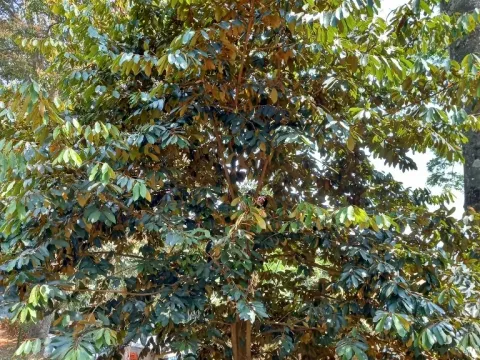
Gambeya is a genus of evergreen trees belonging to the Sapotaceae family. Native to tropical regions of Africa, these trees are typically found in dense forest ecosystems where they thrive in warm and humid conditions.
What the section contains


Gambeya
The climate requirements for Gambeya include a strictly tropical environment, characterized by high temperatures throughout the year and significant rainfall. The trees lack cold hardiness and cannot survive in regions with frost or prolonged cool weather.
Regarding soil preferences, Gambeya requires deep, nutrient-rich soils that provide excellent drainage. While the species is accustomed to high humidity, standing water in the root zone can lead to severe physiological stress and decline.
Botanically, these plants are known for their sturdy, leathery leaves and a robust root system adapted to competitive forest environments. They exhibit slow initial growth rates but develop significant structural integrity over time.
Economic utility is centered around the harvest of edible fruits, which are locally significant for their nutritional density. Additionally, the genus is sometimes studied for the potential applications of its wood and botanical extracts in sustainable forestry and traditional usage.
Disease pressure in Gambeya is often driven by fungal pathogens that thrive in the persistent humidity of tropical zones. Root rot is a primary concern if soil aeration is not properly managed during cultivation.
Pest management focuses on tropical insect species that target the foliage and the developing fruits. Proactive monitoring and the implementation of organic pest control methods are recommended to maintain plantation health and ensure yield quality.