
White star apple
Gambeya albida
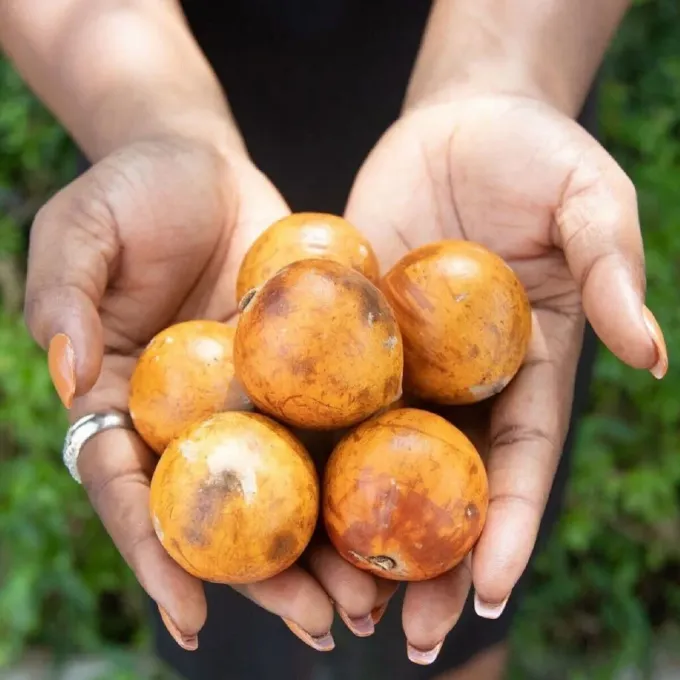
Description
Growing requirements
The White star apple, scientifically known as Gambeya albida (syn. Chrysophyllum albidum), belongs to the Sapotaceae family. This large evergreen tree is native to the tropical lowlands of West and Central Africa, thriving in dense rain forest zones.
The species grows best in deep, well-drained soils with a high capacity for moisture retention. It is highly adapted to humid tropical climates with annual precipitation ranging from 1,200 to 2,000 millimeters, maintaining growth even during shorter dry seasons.
Temperature requirements for optimal cultivation are between 22 and 30 degrees Celsius. While it can tolerate partial shade when young, the tree requires full sun exposure during its maturity stage to maximize fruit production and healthy canopy development.
The plant is highly valued for its socio-economic importance in rural African communities. It provides essential food security through its fruits, which are rich in antioxidants, vitamins, and minerals, making them a significant part of the local diet.
Beyond food production, the wood of Gambeya albida is highly durable and resistant, making it suitable for construction, flooring, and artisanal woodcrafts. Furthermore, the tree is a key component in traditional medicine practices across its native range.
Main diseases and pests
Fruit flies represent the most significant pest threat to this crop. These insects cause severe damage to the ripening fruit, often resulting in significant post-harvest losses and reduced marketability of the produce.
Fungal pathogens can affect the foliage during periods of extreme humidity and low air circulation, leading to premature leaf drop. Proper planting density and canopy management are vital to reduce the risk of disease spread.
Mistletoe infestation is common in mature trees, as these parasitic plants deprive the host of water and nutrients. Mechanical removal is the recommended practice to maintain the productivity and longevity of the star apple tree.
Bark-boring insects present a danger, especially to trees that have already been stressed by environmental factors. Protecting the trunk from physical damage and monitoring bark integrity is essential for sustainable management.
Soil nutrient depletion can reduce the tree's natural resilience. Incorporating organic mulches and balanced fertilizing programs is crucial in commercial orchards to prevent pest susceptibility caused by malnutrition.