
Gum bumelia
Sideroxylon lanuginosum
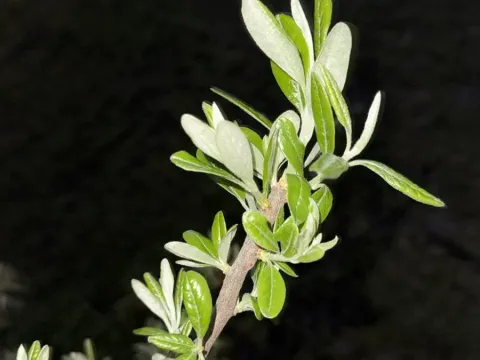
Gum bumelia (Sideroxylon lanuginosum) is a member of the Sapotaceae family. It is a long-lived, sturdy tree or shrub known for its dense, sometimes thorny branches and leathery leaves.
What the section contains
Gum bumelia
Native to the United States, particularly the south and central regions, this plant thrives in a variety of environments, from rocky limestone outcrops to open woodlands and dry prairies.
The plant has minimal soil requirements but excels in well-drained locations. It is highly valued for its drought tolerance, making it an excellent candidate for water-wise landscaping and reforestation efforts.
Regarding climate needs, it prefers regions with significant solar exposure. It adapts well to intense heat and is considered moderately hardy, capable of surviving seasonal temperature fluctuations.
In terms of management, minimal intervention is typically required once the plant is established. It serves an essential role in local ecosystems by providing shelter and food for various species of birds and pollinators.
Fungal pathogens often target the plant when grown in poor drainage soils. Root rot is a primary concern, which can be mitigated by ensuring proper site selection and soil amendment before planting.
Insect pests such as scale insects or aphids may occasionally infest the foliage. While these rarely kill mature trees, they can weaken younger specimens and cause reduced vigor during the active growing season.
Environmental stress, such as extreme late-season frosts or prolonged waterlogging, can weaken the tree's natural defenses, making it more susceptible to secondary infections or boring insect pests.
Integrated Pest Management (IPM) practices suggest monitoring for early signs of infestation. Pruning infested branches and promoting healthy growth through proper spacing are the best preventive strategies.
Maintaining a clean environment around the root zone helps prevent the accumulation of pathogens. Healthy trees are generally resilient, and chemical treatment should be a last resort after cultural methods fail.