
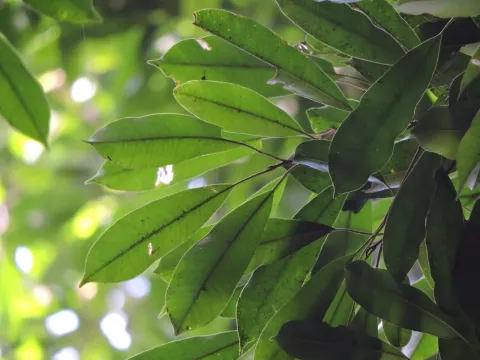
Green Star Apple
Chrysophyllum viride
Chrysophyllum viride belongs to the Sapotaceae family and is an important tropical fruit-bearing tree that requires specific nursery management.
What the section contains
Green Star Apple
Seeds of this species are recalcitrant and lose viability quickly after extraction, so they must be planted immediately in a moist, nutrient-rich seedbed.
The optimal germination temperature ranges between +25 and +28 degrees Celsius, requiring a consistent environment to ensure successful emergence.
Seedlings should be transferred to individual containers to prevent root entanglement and damage during the eventual outplanting phase.
Proper sanitation in the nursery is essential to prevent soil-borne pathogens from affecting the young, sensitive root systems of the saplings.
This tree thrives in humid tropical climates and is highly intolerant to frost, necessitating a frost-free environment for survival and growth.
It prefers deep, fertile, and well-drained soils; the plant is sensitive to waterlogging, which can cause rapid root decay in low-lying areas.
While the tree benefits from full sun once mature, young plants require partial shade to prevent leaf scorching and excessive water loss.
High relative humidity levels (70–80%) are crucial for optimal development, reflecting the species' native ecosystem in tropical rainforest zones.
Consistent irrigation is vital during the flowering and fruit-setting phases, as moisture stress can lead to premature fruit drop.
The Green Star Apple typically begins its productive life approximately 5 to 7 years after the initial planting of the nursery-grown seedlings.
Yield capacity is significantly enhanced through the regular application of balanced organic fertilizers and strategic pruning to open the canopy.
Professional orchard management practices involve monitoring soil pH and nutrient levels to ensure the tree has access to essential micronutrients.
Yields can vary significantly between seasons based on climate conditions, emphasizing the need for supplementary irrigation in drier years.
A well-managed tree can produce several dozen kilograms of fruit per season, contributing to local food security and agricultural income.
Common pests affecting this species include scale insects and mealybugs, which congregate on young shoots and undersides of leaves, sapping vigor.
Fungal pathogens such as anthracnose can severely impact fruit quality, particularly during periods of prolonged rainfall and high ambient humidity.
Root rot is a major threat often exacerbated by poor drainage; therefore, selecting the right site and planting on raised mounds is a recommended practice.
Integrated pest management strategies should prioritize the use of natural predators and soft horticultural oils to manage pest populations effectively.
Regular tree inspection is necessary to catch infestations early, preventing widespread damage that could hinder the tree's long-term productivity.
Harvesting requires careful handling of the fruit, as they are susceptible to bruising, which reduces their commercial value and shelf life significantly.
Maturity is judged by the color change of the skin and a slight softening of the fruit texture, signaling the perfect stage for consumption.
Due to the short shelf life post-harvest, fruits should be moved quickly to cold storage or direct markets to maintain peak quality for the consumer.
Using padded crates and gentle handling techniques during transit helps to minimize losses caused by mechanical impact or pressure.
The fruit is mainly consumed fresh and is highly appreciated for its sweet, pleasant pulp, often used in smoothies, juices, and regional culinary dishes.