
Gambeya gorungosana
Gambeya gorungosana
Description
Growing requirements
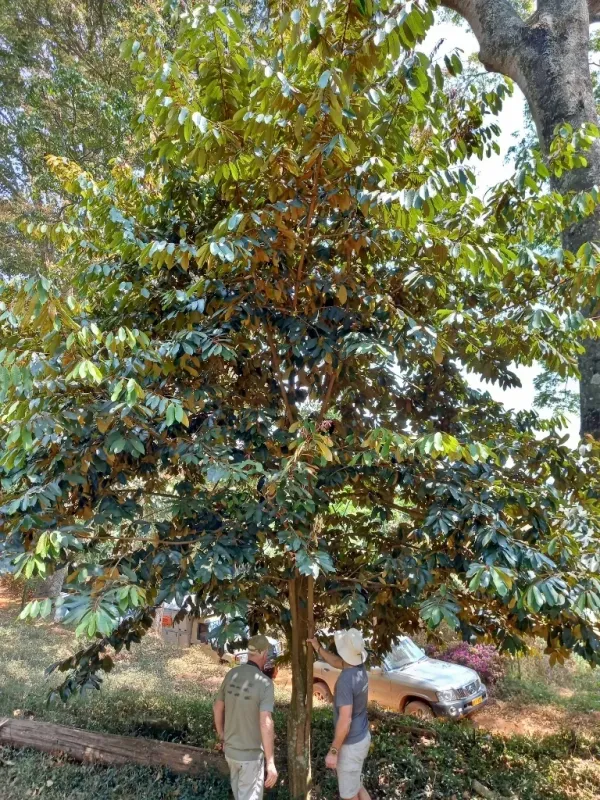
Gambeya gorungosana is a prominent species of tropical evergreen trees belonging to the Sapotaceae family. In its native habitat, these trees are recognized for their robust growth and ability to form an essential part of the canopy layer in African forest ecosystems, reaching significant heights.
The species is primarily native to the tropical regions of Mozambique, Zimbabwe, and surrounding areas. It thrives in humid environments, frequently colonizing riverine corridors and coastal forests where the soil conditions are ideal for sustaining high metabolic activity throughout the year.
Climate requirements for this culture are strict: it demands consistently high temperatures and high levels of atmospheric humidity. The plant is extremely sensitive to thermal fluctuations and cannot tolerate frost, which dictates its distribution exclusively within tropical zones.
Soil preferences include deep, nutrient-rich substrates with a neutral to slightly acidic pH level. The presence of organic matter and a well-structured leaf litter layer is essential for maintaining the moisture balance and providing the necessary nutrients for deep-root development.
Agricultural practices for this species focus on site-specific management. Because it is a tropical tree, the cultivation strategy prioritizes protection from desiccant winds and maintaining a consistent irrigation schedule, especially during the early stages of plant development.
Yield
The agricultural use of Gambeya gorungosana centers on its fruit, which is highly valued by local communities. The fruit is typically harvested for fresh consumption, providing a reliable source of energy and essential micronutrients, which is a common trait for plants in the Sapotaceae family.
Beyond its edible qualities, the tree possesses dense and durable wood, traditionally utilized for small-scale carpentry and craft. While the wood has value, the commercial exploitation remains minimal, focusing more on sustainable harvesting practices rather than industrial-scale timber production.
Yield capacity fluctuates significantly based on the rainfall patterns and seasonal water availability. Trees located in areas with consistent irrigation or reliable rainfall regimes display higher productivity rates, contributing positively to the local food security of their native regions.
Future development in the agricultural sector considers this species a candidate for agroforestry. Integrating Gambeya gorungosana into polyculture systems helps in maintaining soil fertility while providing both food resources and ecological benefits through biodiversity conservation.
As interest in underutilized tropical crops grows, further agronomic studies regarding fertilization and pruning techniques are required to optimize productivity and fruit quality, potentially turning this wild species into a more reliable cultivated crop for tropical plantations.