
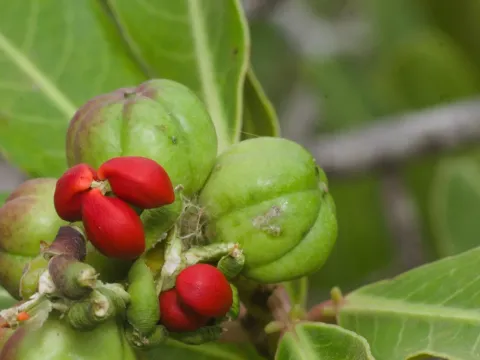
Sapium lanceolatum
Sapium lanceolatum
Sapium lanceolatum is a notable species belonging to the Euphorbiaceae family. Originating from the tropical regions of South America, this tree is valued for its specific wood properties and its role in regional agroforestry systems.
What the section contains
Sapium lanceolatum
The plant thrives in deep, fertile soils that provide excellent drainage. While it can adapt to various soil types, waterlogging is detrimental to its root system, which requires high oxygen levels for proper physiological function.
Climatic requirements for this species are strictly tropical. It demands high annual temperatures and constant humidity to flourish. It has zero tolerance for frost, which limits its commercial cultivation to frost-free geographical zones.
Sunlight exposure is a critical factor for the growth of Sapium lanceolatum. In nursery settings, saplings require partial shade, but as they mature, they need full exposure to maximize crown development and stem thickening.
Cultivation practices include precise nutrient management. Fertilization should be focused on maintaining an optimal balance of micronutrients to support rapid biomass accumulation, which is essential for short-rotation timber production.
Pests such as scale insects and borers represent a significant threat to the tree's health. These insects often target the stem and branches, causing structural weakness and inviting secondary fungal infections.
Fungal pathogens are common in humid environments, leading to leaf spot diseases and bark rot. Effective management requires removing debris and ensuring that the plantation layout allows for sufficient wind circulation.
Integrated Pest Management (IPM) is highly recommended for this crop. By monitoring pest populations, farmers can implement targeted biological treatments rather than relying on broad-spectrum pesticides that may disrupt local biodiversity.
Mechanical damage during maintenance work should be avoided at all costs. Since the tree contains latex, any injury provides a gateway for pathogens to enter the inner tissues, potentially causing permanent damage to the wood quality.
Regular site inspections help detect early signs of stress, such as leaf discoloration or abnormal latex exudation. Prompt action, including pruning of infected parts and nutrient adjustment, is key to maintaining a healthy stand of trees.