
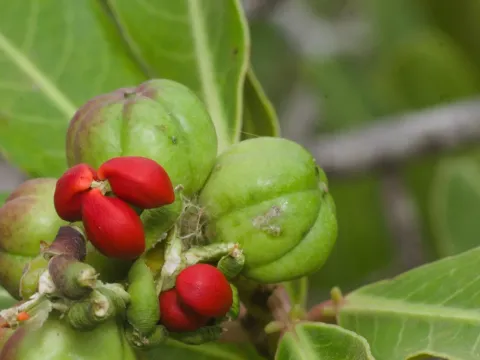
Sapium jamaicense
Sapium jamaicense
Sapium jamaicense, a member of the Euphorbiaceae family, is a notable tree species native to the tropical forests of Jamaica, adapted to the specific conditions of the Caribbean basin.
What the section contains
Sapium jamaicense
The plant thrives in a humid tropical climate, requiring consistent temperatures and protection from extreme cold or drought, which are detrimental to its physiological development.
High-quality, well-drained fertile soils are essential for Sapium jamaicense, as the root system is highly susceptible to hypoxia if waterlogging occurs in the root zone.
As a light-demanding species, it should be grown in open spaces where sunlight exposure is maximized, ensuring the tree can perform efficient photosynthesis for rapid biomass accumulation.
Agronomic management involves periodic nutrient supplementation and weed control around the base of the trees to reduce competition for resources during the establishment phase.
The primary economic output of Sapium jamaicense is its dense and durable timber, which is highly regarded for local construction, carving, and furniture making.
Beyond timber, the tree produces a milky sap that historically held interest as a potential latex source, contributing to the historical and cultural significance of the plant.
Yield metrics in plantation systems are influenced by soil fertility levels and the frequency of silvicultural treatments, including pruning to improve trunk structure.
Harvesting mature trees for timber production typically requires a long rotation cycle, often spanning several decades to reach the necessary wood density and diameter.
Optimizing planting density is a critical factor for land managers, balancing the need for rapid growth against the resource availability per individual tree in the plantation.
Root rot pathogens represent the most significant threat to Sapium jamaicense, particularly in regions where drainage management is neglected during the rainy season.
Various defoliating insects and sap-sucking pests can compromise the vigor of the trees, leading to slowed growth rates and increased susceptibility to secondary infections.
Plantation biosecurity is vital to mitigate the spread of localized diseases, requiring diligent monitoring and the removal of compromised plant material to protect the stand.
Mechanical damage during routine maintenance can lead to infection entry points, making it necessary to implement strict handling protocols during silvicultural operations.
Integrating biological pest control agents within the plantation ecosystem is recommended to maintain a balance and reduce reliance on synthetic chemical interventions.