
Gambeya africana
Gambeya africana
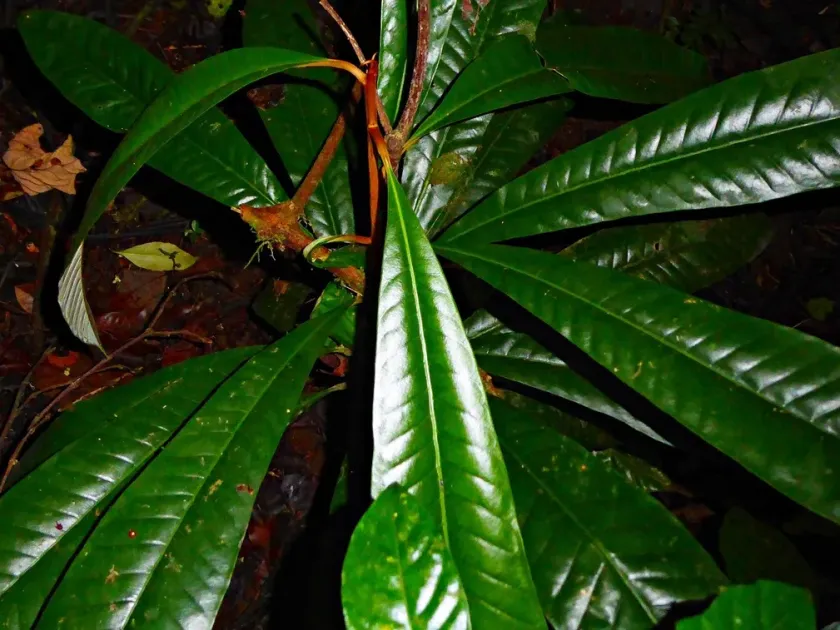
Description
Growing requirements
Gambeya africana is a majestic evergreen tree belonging to the Sapotaceae family. Native to the lowland rainforests of tropical Africa, it is an essential component of the forest canopy, providing both structural diversity and habitat.
The tree requires a humid tropical climate with high annual rainfall to thrive. It performs best in areas where temperatures remain constant, typically between 22 and 28 degrees Celsius, without extreme seasonal fluctuations.
Optimal soil conditions for this species are deep, well-drained loamy soils rich in organic matter. While it can withstand various pH levels, it prefers slightly acidic soils typical of the tropical forest floor where leaf litter accumulates.
Botanically, it can reach heights of up to 40 meters. Its foliage is characterized by leathery leaves, an evolutionary adaptation to minimize transpiration in high-heat environments, ensuring moisture retention during the day.
Cultivation requires careful site selection. For agroforestry setups, providing shade for saplings is crucial during their early years, as direct sunlight can inhibit proper root development and increase moisture loss in young specimens.
Yield
The primary economic output of Gambeya africana is its timber. The wood is highly valued for its strength, durability, and resistance to environmental stress, making it a preferred choice for heavy-duty furniture and high-quality flooring.
The fruits produced by the tree are fleshy and edible, often gathered by local communities for sustenance. While they serve as a nutritious food source, they are not currently a major commercial commodity in global markets.
Seeds derived from the fruits contain oils that are utilized in traditional medicinal practices and local cosmetic industries. Extraction methods focus on cold pressing to maintain the chemical integrity of the oil, which is prized for its moisturizing properties.
The long-term yield of timber is the core reason for its cultivation. The tree’s growth rate is moderate, requiring planned management cycles to ensure sustainable harvesting without depleting the natural stock.
Annual fruit yield can be variable, depending significantly on the maturity of the tree and the specific microclimate of the plantation area. Regular pruning and maintenance are required to balance foliage growth with reproductive output.
Main diseases and pests
Boring insects represent the most significant threat to the tree's timber value, as they damage the structural integrity of the trunk. Integrated pest management, including regular inspection and sanitation, is standard practice.
Fungal infections in the root zone can occur if water drainage is inadequate. Managing soil moisture levels through proper drainage systems is essential to protect young trees from soil-borne pathogens.
Deforestation and habitat loss present the greatest ecological risks to the species in the wild. Sustainable forestry initiatives are necessary to ensure that the demand for its wood does not lead to over-exploitation.
Climate change, manifesting as unpredictable rainfall patterns, may stress trees and decrease their natural resistance to endemic diseases. Research into resilient genotypes is currently a focus for foresters.
Wild animals can damage young seedlings by browsing or trampling. Protective measures, including physical barriers or controlled planting zones, are recommended to secure a healthy growth phase during the first decade of development.