
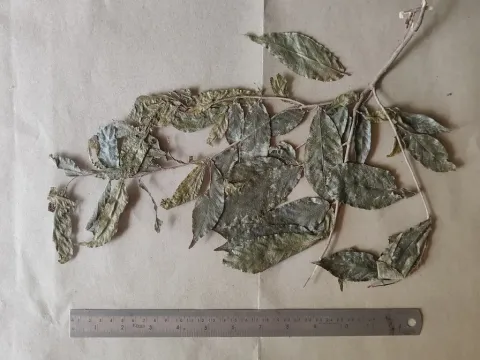
Isonandra
Isonandra
Isonandra is a genus of evergreen trees and shrubs belonging to the Sapotaceae family. These plants are native to the tropical forests of South and Southeast Asia, primarily found in India and Sri Lanka.
What the section contains


Isonandra
The culture thrives in tropical environments characterized by high humidity, abundant rainfall, and consistently warm temperatures throughout the year. Frost or cold snaps are fatal to this species.
Soil requirements include deep, well-draining, and nutrient-rich substrates. The plants are sensitive to waterlogging, so adequate soil aeration is crucial for the development of a healthy root system.
Cultivation requires careful canopy management. While adult trees can tolerate varying degrees of light, juvenile plants prefer shaded conditions to prevent leaf scorching and desiccation.
Effective agricultural management involves spacing trees appropriately to allow for airflow, which reduces the incidence of moisture-related diseases common in tropical plantation settings.
The primary economic value of Isonandra lies in the production of gutta-percha, a natural latex extracted from the tree's bark and leaves, used historically for insulation and medical devices.
Extraction is typically performed through traditional tapping methods, where controlled incisions are made in the bark to collect the milky exudate, which then coagulates into a solid rubber-like material.
Harvesting strategies must be sustainable to ensure tree longevity. Over-tapping can weaken the tree, making it susceptible to secondary infections and decreasing long-term yield potential.
Post-harvest processing involves cleaning and boiling the raw latex to remove impurities, resulting in a purified product ready for industrial or specialized applications.
Research into the optimal age of harvest indicates that mature trees provide a higher quality and quantity of gutta-percha compared to younger, rapidly growing saplings.
Fungal infections are the most significant threat to Isonandra plantations, particularly those affecting the vascular system and bark tissues in high-humidity environments.
Insect pests, such as wood-boring beetles, can cause extensive damage to the trunk, directly impacting the tree's health and its ability to produce latex effectively.
Environmental stresses, such as prolonged droughts or extreme wind events, disrupt the physiological balance of the trees, leading to poor growth and increased vulnerability to pathogens.
Competition from invasive plant species can hinder the growth of young Isonandra, necessitating regular weeding and maintenance of the plantation perimeter.
Integrated Pest Management (IPM) practices, including the use of localized bio-control and hygienic harvesting techniques, are essential for maintaining the health of the cultivation area.