
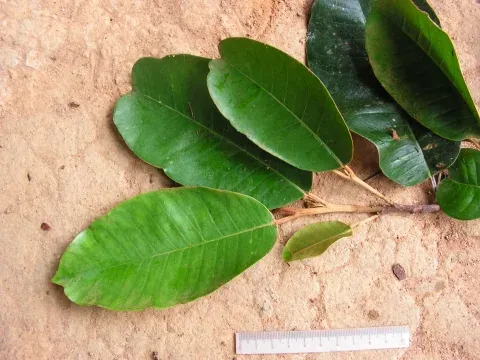
Chrysophyllum splendens
Chrysophyllum splendens
Chrysophyllum splendens is a botanical species belonging to the Sapotaceae family, native to tropical environments. This plant is known for its distinctive foliage that displays a shimmering appearance, which is a key adaptive feature in its natural habitat within the tropical canopy.
What the section contains
Chrysophyllum splendens
The climate requirements for this culture strictly demand consistent warmth, as it thrives in tropical zones without frost. It requires a stable ambient temperature throughout the year to maintain its metabolic processes and ensure continuous vegetative development.
Soil requirements focus on well-drained, nutrient-rich substrates. The ideal growing medium should be slightly acidic to neutral and contain significant organic matter, which supports the healthy proliferation of the fibrous root system typical of the Sapotaceae family.
Effective agricultural management involves consistent irrigation to ensure the soil remains moist but not saturated. Because the plant is native to areas with high atmospheric humidity, maintaining a humid microclimate is essential for preventing leaf tip burn and other physiological disorders.
Maintenance practices include strategic pruning to manage canopy density. This ensures that sunlight reaches the inner branches, which is crucial for photosynthesis and for reducing the risk of pest infestations in shaded, stagnant areas of the tree.
Common pests affecting this species include scale insects and mealybugs, which tend to congregate on the underside of leaves and along young stems. If left untreated, these pests can severely drain the plant's resources and reduce its growth rate.
Fungal diseases, such as leaf spot, are prevalent in environments with poor air circulation and excessive moisture. To mitigate these risks, it is recommended to space individual plants appropriately and avoid overhead watering that keeps foliage wet for extended periods.
Root rot caused by Phytophthora or similar fungi represents a major threat in poorly drained soils. Symptoms often include wilting despite moist soil, which necessitates immediate drainage improvement and the application of appropriate fungicidal treatments.
Invasive beetles that bore into the wood are another significant threat, particularly in older specimens. Regular bark inspections are recommended as a preventive measure to catch infestations before they cause structural damage to the tree trunk.
Integrated Pest Management (IPM) is the suggested approach for maintaining health, involving a combination of biological control agents and localized chemical treatments only when absolutely necessary to protect the plant’s ecological balance.