
Gambeya beguei
Gambeya beguei
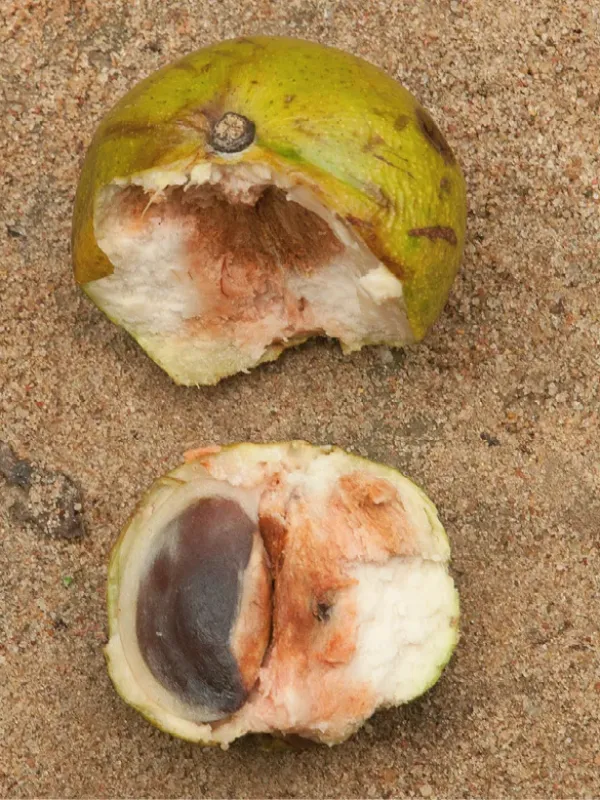
Description
Growing requirements
Gambeya beguei is a prominent member of the Sapotaceae family, native to the lush tropical rainforests of Central and West Africa. It is a large, evergreen tree that serves as a vital component of the humid forest ecosystem.
The tree thrives in deep, well-drained, and nutrient-rich soils. It has a high requirement for consistent rainfall and humidity, making it sensitive to arid conditions, especially during its juvenile growth stage.
Ideal climatic conditions include warm temperatures year-round with no significant thermal variations. The plant is adapted to the competitive environment of the forest canopy, often reaching significant heights.
Botanically, Gambeya beguei is characterized by thick, leathery leaves and a dense, high-quality trunk structure. The presence of latex within the bark and stems is a common evolutionary trait within the Sapotaceae family.
Agrotechnical management involves establishing windbreaks and ensuring adequate soil nutrition to support the long-term growth of these slow-to-moderate-growing hardwood trees.
Main diseases and pests
Pests, particularly wood-boring insects, represent the most significant threat to the tree's health. These organisms can penetrate deep into the trunk, compromising the timber quality significantly.
Fungal diseases related to root rot are common in poorly drained or waterlogged soils, which can lead to the systemic decline of the tree if moisture levels are not managed effectively.
Deforestation and habitat loss are the primary ecological threats, putting pressure on the species and reducing the number of mature individuals in the wild.
Effective management requires integrated pest control methods that prioritize ecological balance while protecting the tree from aggressive infestations.
Regular monitoring of canopy density and leaf appearance can help foresters identify the early stages of disease, allowing for timely intervention and preservation of the forest stand.
Harvesting
The primary economic utility of Gambeya beguei lies in its premium timber, which is prized for its strength, durability, and resistance to environmental stress, making it suitable for construction.
Harvesting strategies are based on long-term forestry cycles. Trees are selected based on stem diameter to ensure the sustainability of the plantation and to prevent the premature exhaustion of resources.
Harvesting practices include manual felling and careful logistics to ensure the quality of the timber is not compromised by fractures or fungal infections during the transportation process.
In addition to timber, some local practices involve the utilization of its fruits, which contributes to the local economy and traditional food systems within its natural range.
Post-harvest treatment, such as controlled drying and protective storage, is crucial to maintaining the physical properties of the wood before it enters the industrial processing stage.