
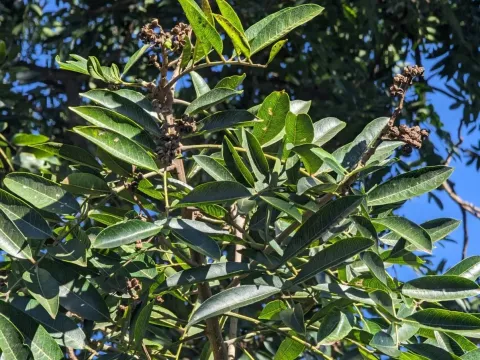
Zanthoxylum riedelianum
Zanthoxylum riedelianum
Propagation of Zanthoxylum riedelianum is primarily performed using seeds in protected environments. The optimal time for sowing is during the spring, as the increasing light levels promote germination and early development of the seedlings.
What the section contains
Zanthoxylum riedelianum
Seeds require a period of stratification to improve their germination rate. They should be sown into a light, well-draining substrate enriched with sand or perlite to prevent water stagnation, which is critical for seedling health.
Seeds are placed at a depth of 1–2 centimeters. Maintaining a stable temperature between 20–25 degrees Celsius ensures that germination occurs within 4 to 8 weeks, depending on the specific storage conditions of the seed stock.
Once the seedlings develop two pairs of true leaves, they should be carefully pricked out into individual containers. The plant is sensitive to root disturbance, so handling must be done with extreme care to ensure successful establishment.
Transplanting into open ground is only viable in tropical or subtropical regions where there is no risk of frost, as young plants are particularly susceptible to cold damage which can permanently stunt their growth.
Zanthoxylum riedelianum is a woody member of the Rutaceae family, native to the tropical forests of South America. It thrives in well-lit areas but benefits from light shade during its initial growth phases to protect delicate foliage.
The plant requires fertile, loamy, or sandy-loam soils with a neutral to slightly acidic pH. Effective drainage is the most vital requirement, as the roots are highly susceptible to rot if water is allowed to accumulate in the root zone.
Agricultural management involves regular application of balanced fertilizers during the active growing season. Nitrogen is essential for foliage development, while phosphorus and potassium are necessary to support wood maturation and disease resistance.
Botanically, this species is characterized by the presence of thorns on its stems and aromatic glands on its leaves that produce essential oils. Pruning is necessary to maintain a manageable crown shape and ensure adequate light penetration.
Wind protection is essential in commercial plantations, as the branches can be brittle. Maintaining an optimal humidity level of 60–70% within the planting environment encourages healthy transpiration and vigorous plant development.
The economic value of Zanthoxylum riedelianum lies in its bark, fruits, and leaves, which contain pharmacologically active compounds and aromatic essential oils. Harvesting typically begins once the plant matures, usually around age 3 to 5.
The fruits are highly prized for their unique citrus-peppery fragrance. Yield consistency depends heavily on light exposure and the overall standard of agronomic care, particularly regarding nutrient availability and soil health.
Bark is harvested using sustainable methods by stripping small sections from secondary branches rather than the main trunk. This conservative approach allows the tree to recover and ensures long-term productivity of the plantation.
Post-harvest processing involves drying the material in shaded, well-ventilated areas to protect the volatile essential oil components from degradation. Proper storage in airtight containers is necessary to maintain the quality of the raw material.
Value-added products such as essential oil extracts find applications in the pharmaceutical, cosmetic, and food industries. Advanced extraction techniques are often employed to maximize the market value of the harvested biomass.
The primary pests affecting Zanthoxylum riedelianum include scale insects and spider mites. These pests thrive in low-humidity conditions and can cause significant damage to the foliage if not managed through timely interventions.
Fungal pathogens, including leaf spot and various forms of root rot, are commonly associated with poor drainage or overwatering. Maintaining strict sanitary protocols and optimizing the environment are the best preventative measures.
Bacterial infections can enter through mechanical wounds on the bark, often caused by pruning equipment or handling. Disinfecting tools between plants and covering pruning wounds can mitigate the risk of pathogen entry.
Weed management is a critical aspect of plantation maintenance, as weeds often act as reservoirs for insect pests or fungal spores. A clean cultivation environment significantly reduces the pressure from these biotic threats.
Integrated Pest Management (IPM) strategies, including the use of biological control agents and organic fungicides, are recommended to minimize chemical residues while effectively protecting the crop from seasonal outbreaks.