
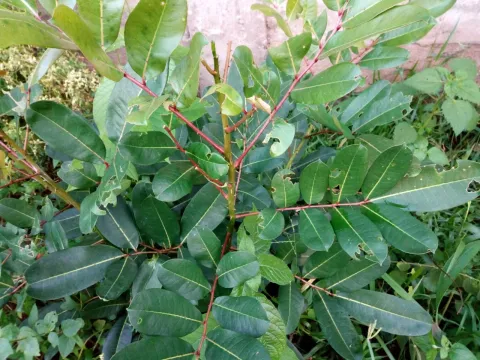
Zanthoxylum senegalense
Zanthoxylum senegalense
Zanthoxylum senegalense is a perennial woody plant belonging to the Rutaceae family, native to the tropical regions of West Africa. It is highly valued for its medicinal properties and as a source of aromatic spices.
What the section contains
Zanthoxylum senegalense
The plant thrives in warm, humid tropical climates. It requires consistent rainfall or irrigation and does not tolerate frost, making it suitable only for specific agro-ecological zones.
Soil requirements focus on fertility and drainage. Deep, well-aerated sandy loam soils are ideal for the development of its extensive root system and overall tree health.
Agricultural management involves regular weeding and mulching to retain soil moisture during the dry season. Pruning is essential to manage the plant's growth habit, especially since branches are naturally covered in sharp spines.
The harvest focuses on bark, leaves, and fruits, which are processed into extracts or dried for commercial sale. Careful harvesting techniques are required to avoid damaging the tree's health.
Root rot caused by stagnant water is the most critical threat to Zanthoxylum senegalense. Improving soil drainage is the primary defense strategy for farmers.
Leaf-eating insects can cause significant defoliation, reducing the plant's photosynthetic capacity. Regular scouting is required to detect early infestation stages.
Fungal pathogens targeting the stem and branches can lead to tissue decay. Copper-based fungicides are occasionally used as a preventive measure in highly humid conditions.
Termites may pose a localized threat to mature trees, particularly in plantations established in savannah regions, requiring soil treatment around the base of the trunk.
Integrated pest management (IPM) practices, such as encouraging natural predators, are recommended to maintain ecological balance within the plantation.