
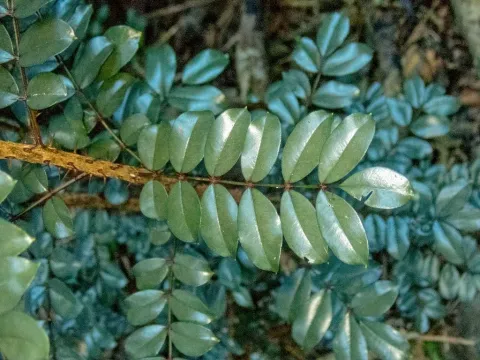
Zanthoxylum punctatum
Zanthoxylum punctatum
Zanthoxylum punctatum is a woody perennial species belonging to the Rutaceae family. It is distinct for the prominent oil-bearing glands covering its leaves, which serve as a natural defense mechanism and a source of volatile organic compounds.
What the section contains
Zanthoxylum punctatum
Native to the Caribbean region, this plant thrives in warm, tropical climates. It is typically found in well-draining, calcareous soils, demonstrating remarkable resilience to drought conditions characteristic of its natural habitat.
In a cultivation setting, this species requires full sunlight exposure to maintain its metabolic activities and oil production. It is highly intolerant to freezing temperatures, requiring protected indoor environments if grown in temperate zones.
Soil management should prioritize aeration and drainage; waterlogging is the primary cause of decline for this shrub. Fertilizer applications should focus on balanced NPK ratios, supplemented with micronutrients to support leaf development.
The plant is utilized for both decorative purposes and as a source of secondary metabolites. Its chemical composition makes it a subject of interest for pharmacological research and the production of specialized aromatic extracts.
Common pests affecting Zanthoxylum punctatum include scale insects and spider mites, which feed on foliage and young shoots. These pests can significantly reduce the vitality of the plant if left untreated for extended periods.
Fungal pathogens such as Phytophthora or Pythium are primary threats when soil moisture levels are consistently high. These infections typically affect the root system, often leading to rapid wilting of the plant.
Good cultural practices, such as pruning for air circulation and ensuring proper substrate drainage, are essential for disease prevention. Maintaining a clean growing environment helps reduce the incidence of opportunistic pathogens.
Integrated pest management (IPM) strategies, including biological control agents, are effective in minimizing chemical input. Regular visual inspection remains the most reliable method for early pest detection in commercial plantings.
Environmental stress, such as extreme temperature fluctuations, can further weaken the plant's natural resistance, making it more susceptible to localized infestations. Providing a stable growing environment is key to long-term plant health.